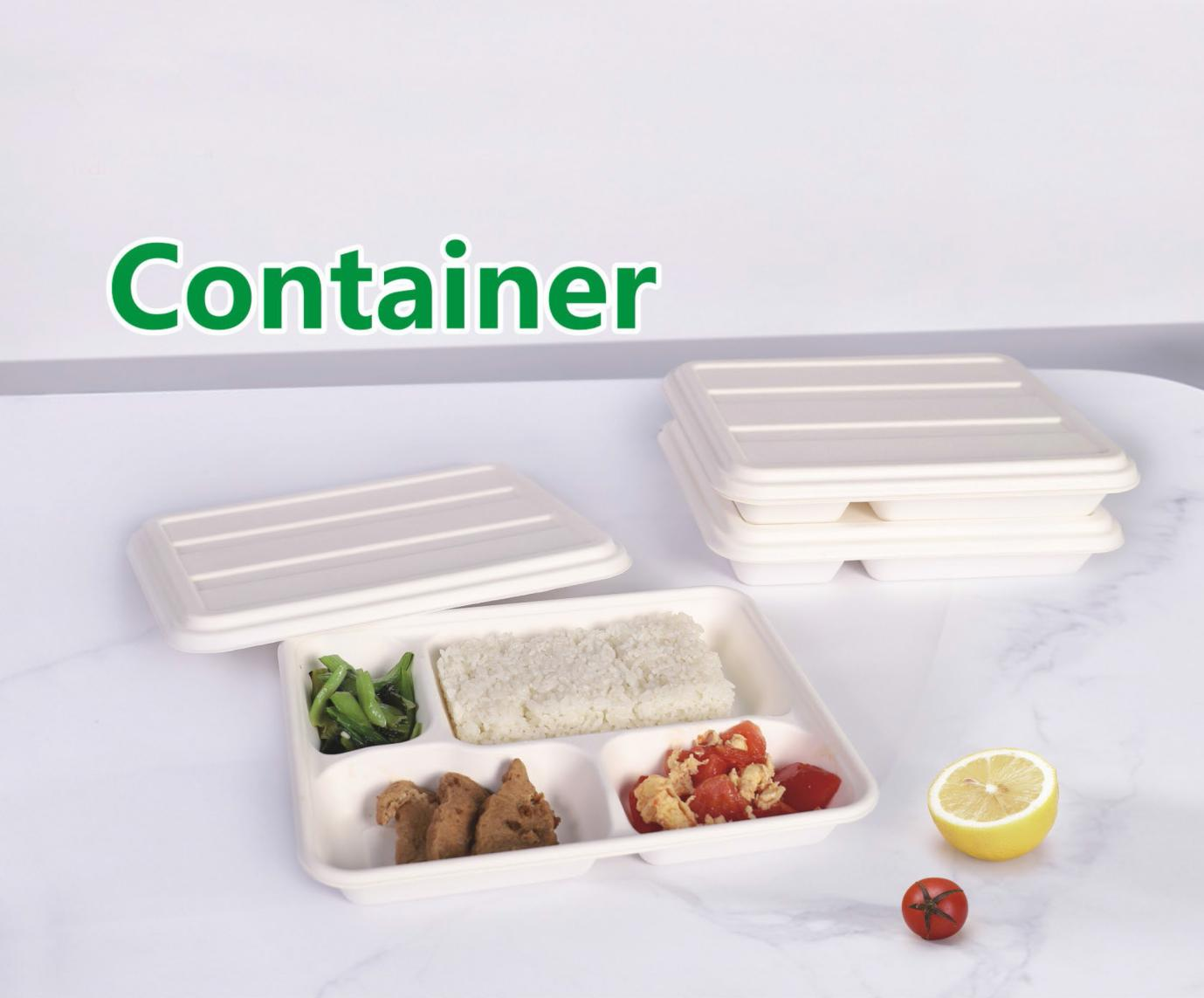
Solving Camping’s Core Tableware Challenges with Eco Friendly Disposable Plates Eliminating Dishwashing Burden and Water Waste in Remote Settings Regular dishwashing at campgrounds tends to use somewhere between 2 to 5 gallons of water for e...
VIEW MORE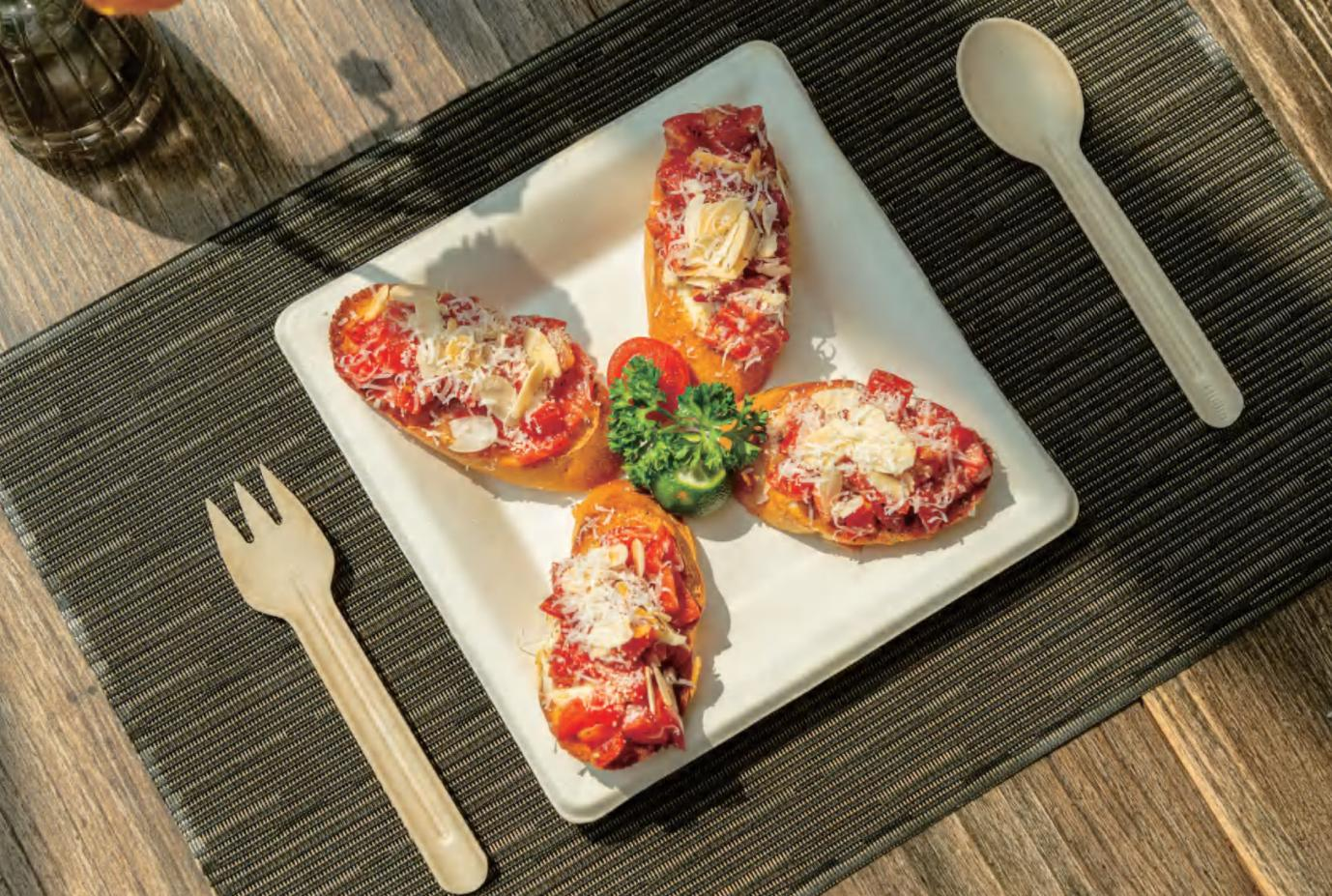
Why Brand Customization Elevates Disposable Takeaway Food Containers The Psychology of Packaging: How Color, Shape, and Logo Placement Build Emotional Recognition Colors work like secret codes for brands right away. Bright red catches eyes and mak...
VIEW MORE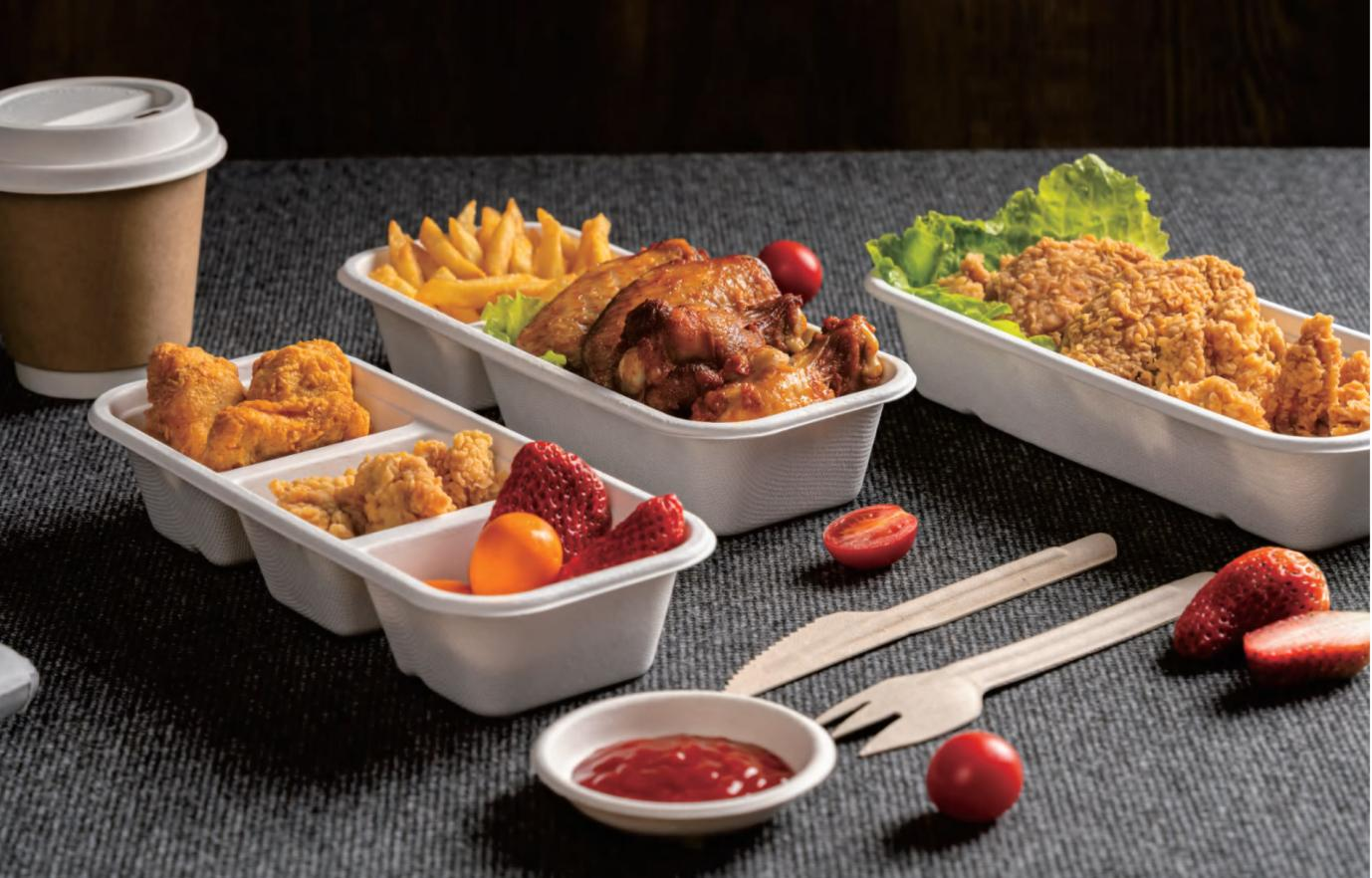
What Is a Sugarcane Bagasse Bowl? Material Origins and Manufacturing Process From Sugar Mill Byproduct to Molded Tableware What most people don't realize is that sugarcane bagasse is basically what remains after extracting juice from sugarcane dur...
VIEW MORE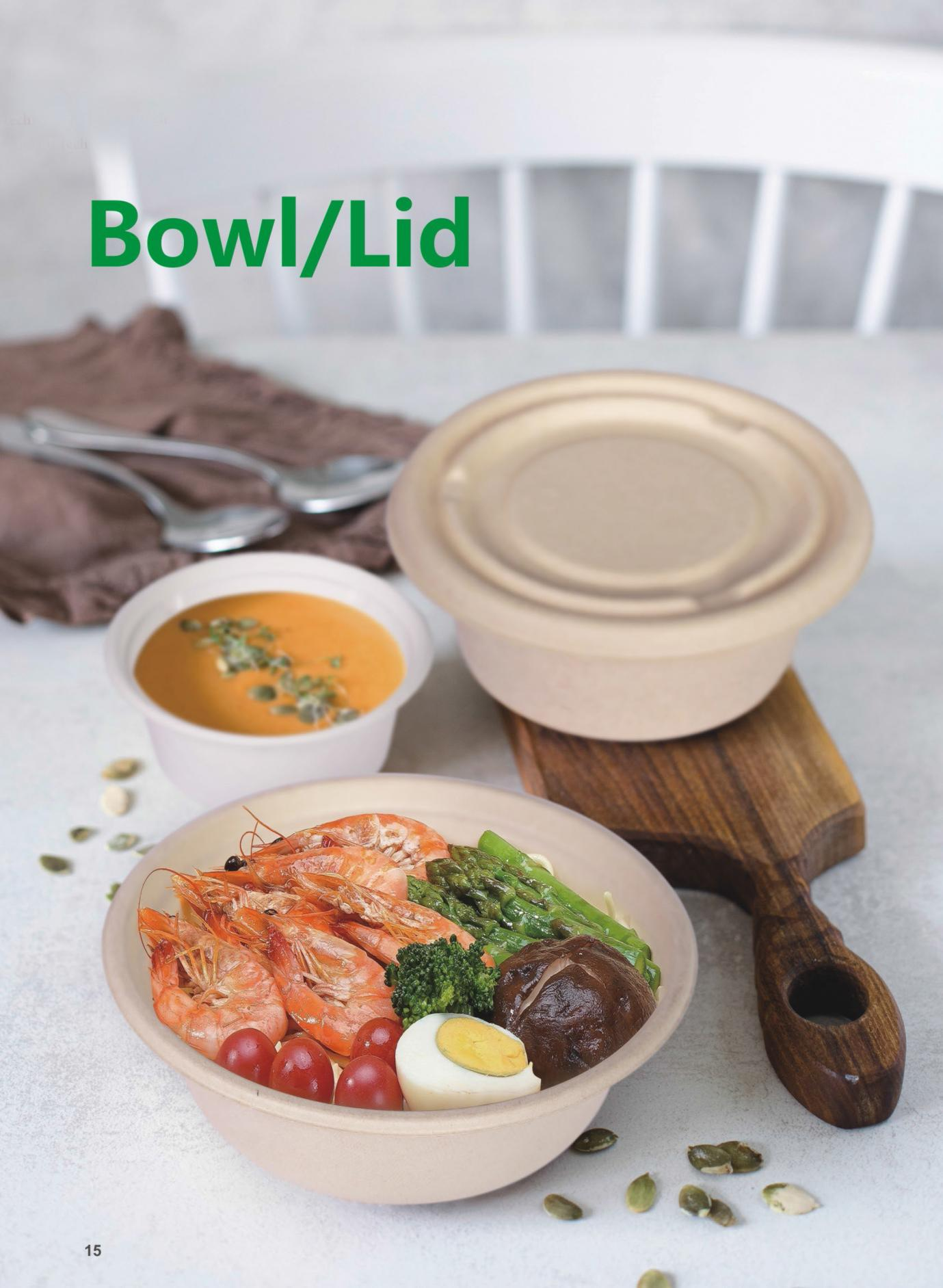
What Is Biodegradable Dinnerware—and How Does It Differ from Compostable and Recyclable Options? Biodegradable dinnerware basically means those disposable plates, cups and forks that can actually break down on their own thanks to microbes ge...
VIEW MORE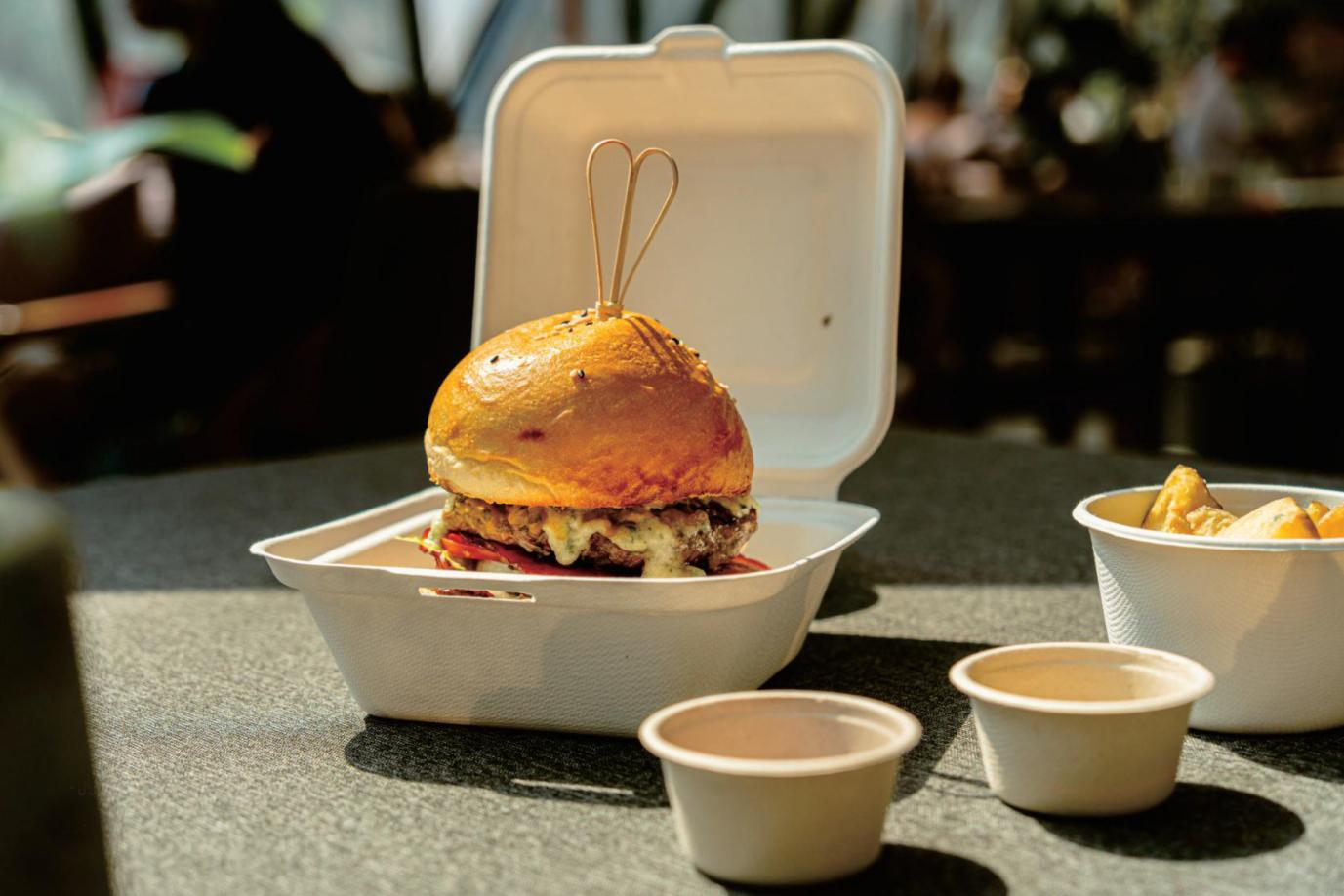
igh-Traffic Food Service Environments Performance in Quick Service Restaurants and Cafés Under Peak Demand Bagasse tableware really shines in busy food service spots such as fast food joints and coffee shops when things get hectic. Made fro...
VIEW MORE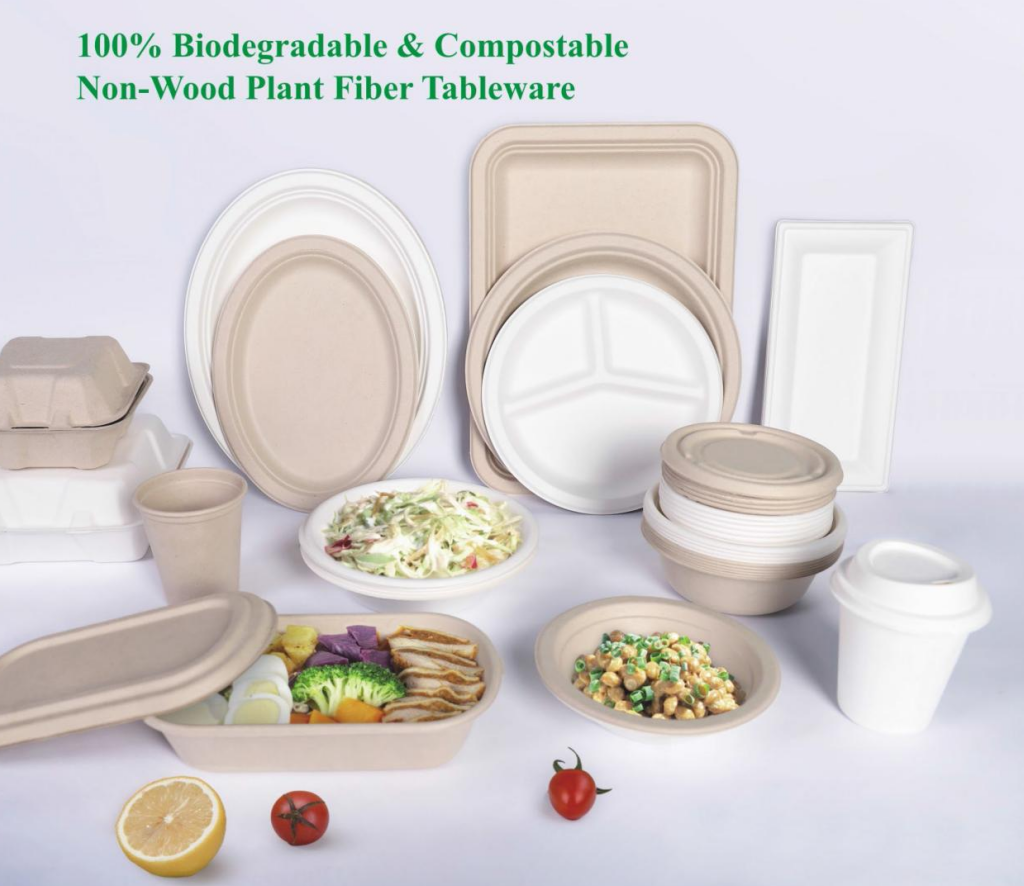
Understanding FDA Standards for Disposable Food Containers FDA standards serve as the global gold standard for food contact safety, setting rigorous criteria for disposable food containers that come into direct contact with all types of food and beve...
VIEW MORE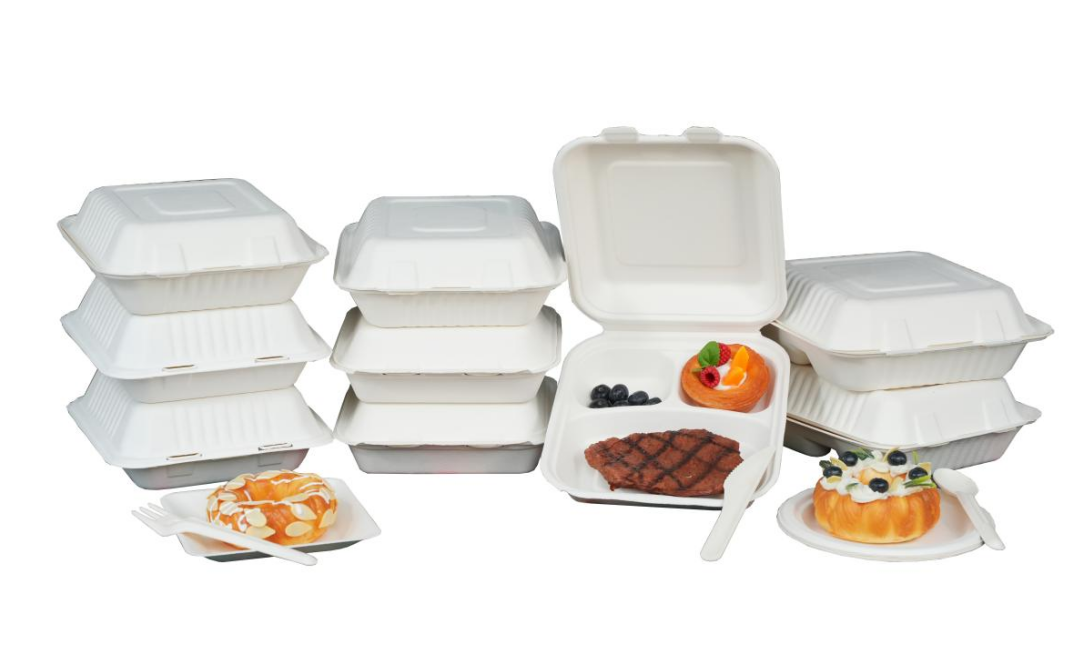
The Rise of Eco-Conscious Disposable Cutlery In an era where environmental sustainability is no longer a choice but a necessity, the global demand for biodegradable disposable cutlery has surged exponentially. Single-use plastic cutlery has long been...
VIEW MORE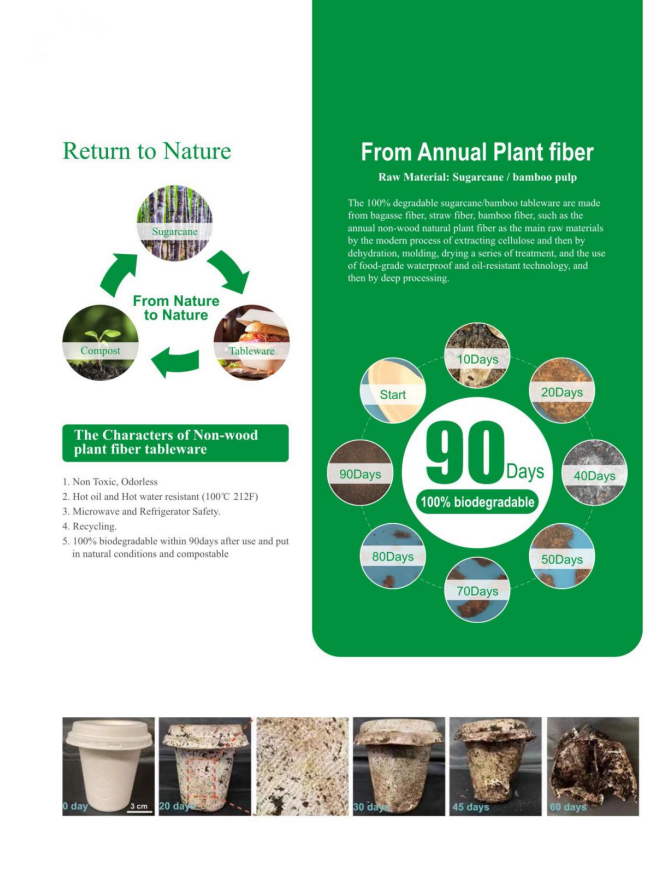
Understanding Compostable Disposable Plates: More Than Just Eco-Labeling Compostable disposable plates represent the gold standard of sustainable single-use tableware, offering a zero-waste alternative to plastic and non-recyclable paper plates that ...
VIEW MORE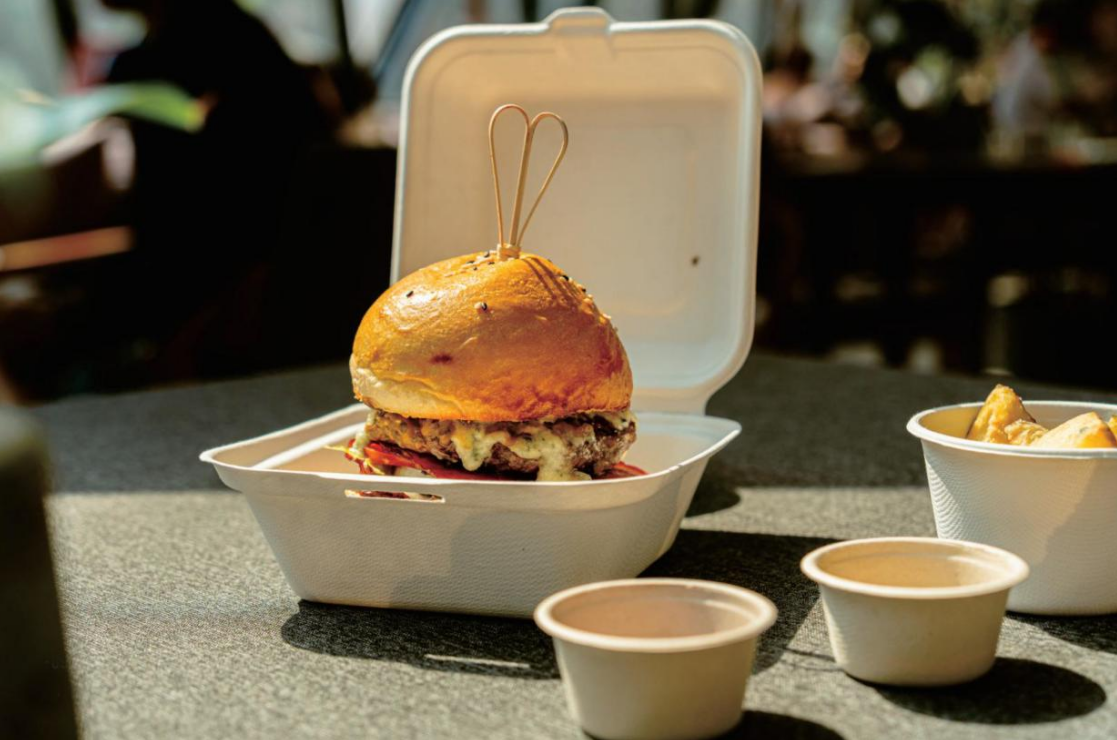
Catering businesses operate in a fast-paced, high-volume environment where dinnerware must balance durability, functionality, and brand alignment—all while meeting the growing consumer demand for sustainability. Biodegradable dinnerware has e...
VIEW MORE
At the core of what makes bagasse tableware a flagship of eco-friendly dining is its raw material—bagasse, the fibrous byproduct left after sugarcane is crushed to extract juice. This natural plant fiber is 100% biodegradable and renewable, e...
VIEW MORE
Certified Compostable Takeaway Food Containers: Materials That Deliver on Standards Bagasse, Molded Fiber, and Wheat Straw – Performance and ASTM D6400/EN13432 Verification Many top companies in the food packaging business are turning to mate...
VIEW MORE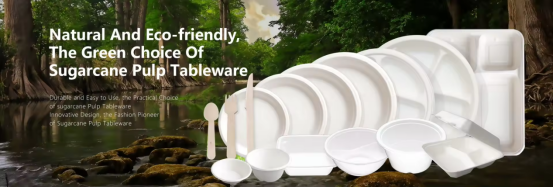
Why Eco-Friendly Disposable Plates Matter for Businesses Companies are under increasing scrutiny when it comes to following green laws such as the EU's ban on single use plastics and California's restrictions on plastic items. Switching to biodegra...
VIEW MORE
Copyright © 2025 by HAINAN GREAT SHENGDA ECO PACK CO., LTD. - Privacy policy
 EN
EN