
 EN
EN
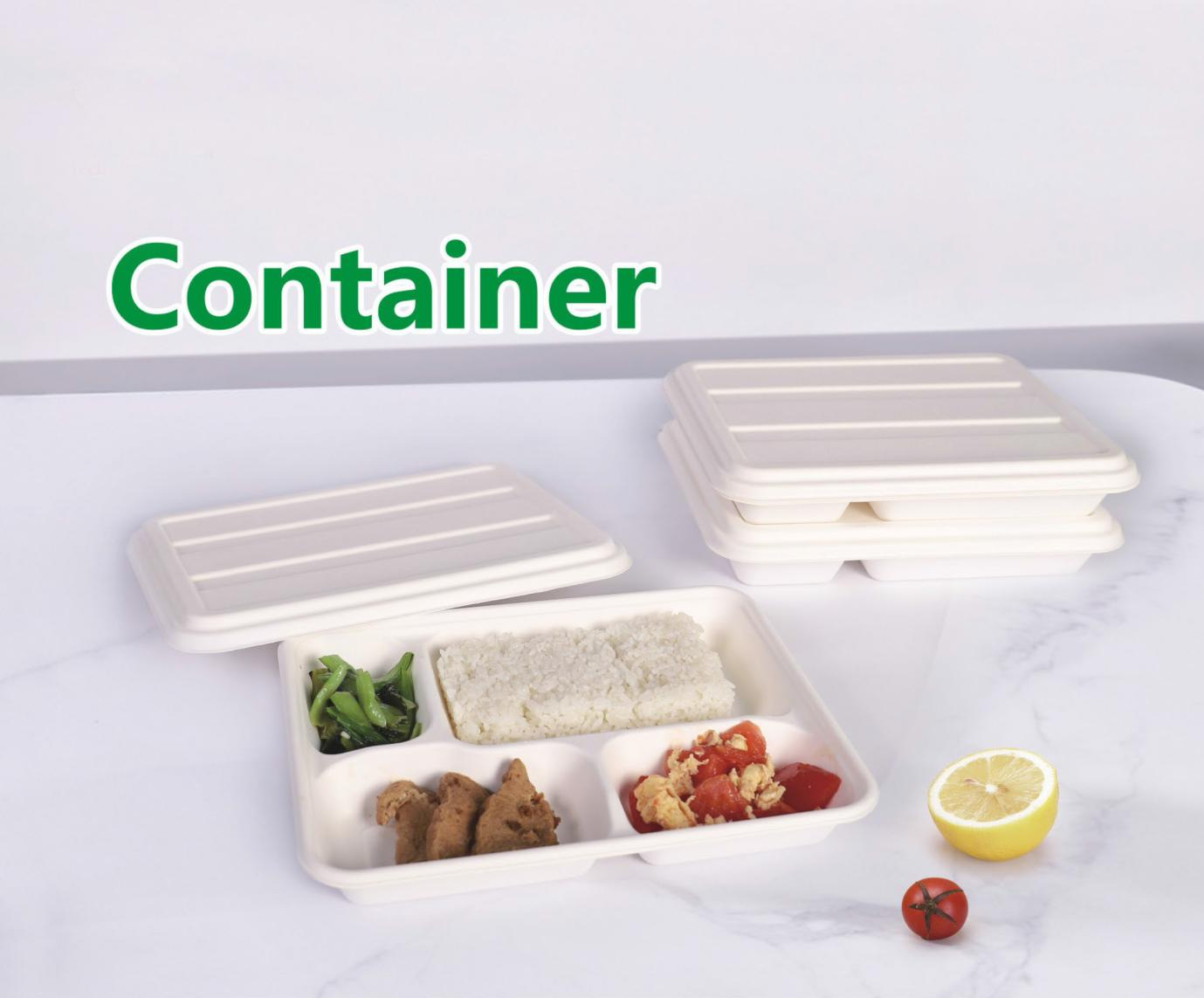
Solving Camping’s Core Tableware Challenges with Eco Friendly Disposable Plates
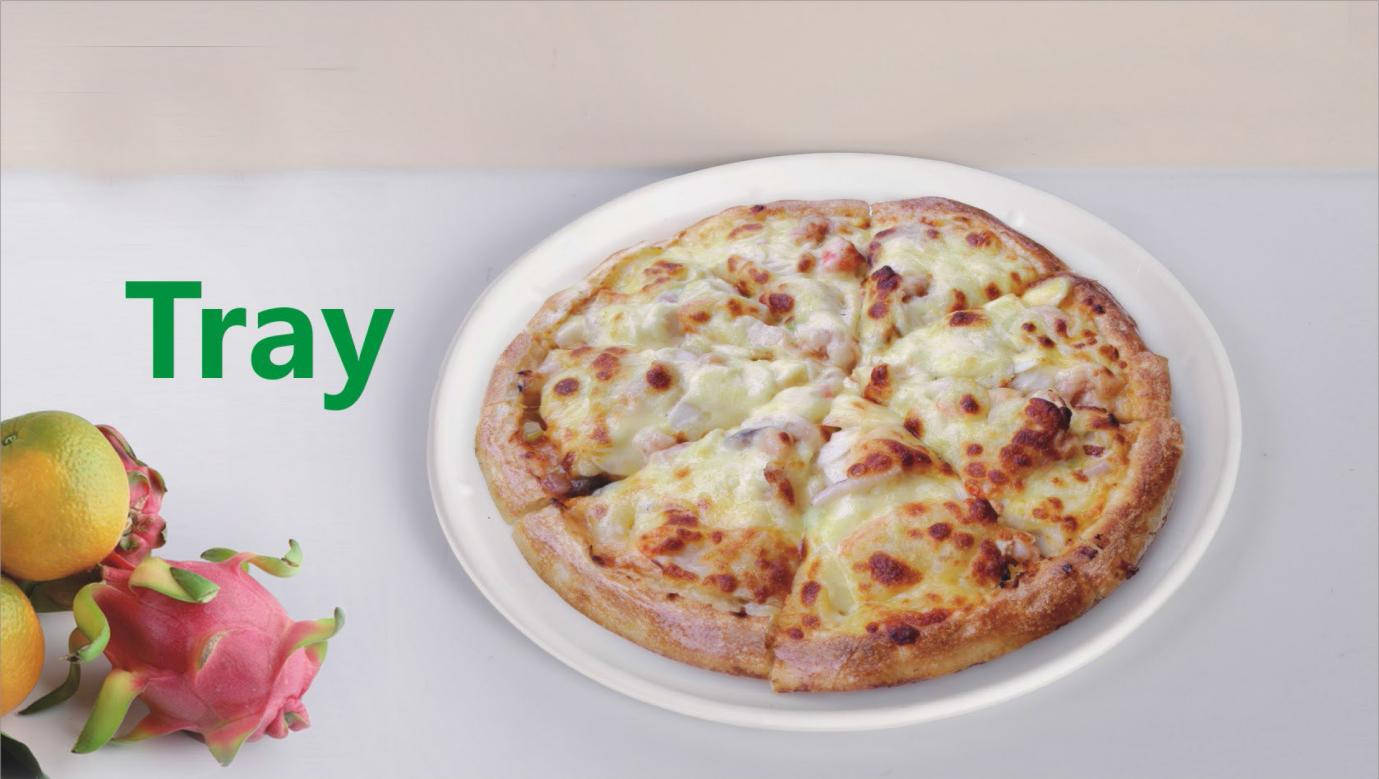
Eliminating Dishwashing Burden and Water Waste in Remote Settings
Regular dishwashing at campgrounds tends to use somewhere between 2 to 5 gallons of water for each meal served, which puts a real strain on already limited water supplies. Plus all that soapy water ends up as graywater that can mess with local streams and rivers if not disposed of properly. Switching to eco friendly disposable plates completely changes the game though. No need to spend time scrubbing pots, boiling utensils, or mixing detergents anymore. For camps in dry areas or remote wilderness spots, this saves precious water that would otherwise go down the drain. And it actually makes sense from a Leave No Trace standpoint too since dirty dishes left around camp can attract animals looking for leftover food scraps, something we definitely want to avoid when trying to minimize our impact on nature.
| Camping Tableware Comparison | Water Usage per Meal | Cleanup Time | Wildlife Risk |
|---|---|---|---|
| Reusable dishes | 3–5 gallons | 20–30 min | High |
| Eco disposable plates | 0 gallons | 0 min | None |
Backpackers consistently report reclaiming up to 45 minutes daily—time redirected toward navigation, rest, or exploration—without compromising meal integrity or hygiene.
Lightweight, Packable Design That Supports Minimalist and Multi-Day Itineraries
These biodegradable plates are surprisingly light, coming in at around 70% lighter than regular ceramic dishes, stainless steel options, or even those fancy lightweight titanium ones people sometimes use. They also stack really thin, barely reaching 2 mm when stacked together. We tested them out in the field and found that ten plates take up less space than a typical 1 liter water bottle would. Pretty impressive considering they can still handle hot soups, grilled meats, and all sorts of dessert layers without bending or breaking apart. The plates stay firm no matter what kind of temperature changes happen during outdoor adventures. Plus, they break down completely in about three months at commercial composting sites according to certification standards. For serious hikers who trek over 15 miles each day through rough landscapes, saving both weight and packing space makes a real difference in how tired they get by evening and actually helps keep them safer on long trails where every ounce counts.
Material Innovation: How Advanced Biobased Options Enhance Performance Outdoors
From Paper to Premium: Bagasse, Bamboo, and Molded Fiber Deliver Real-World Durability
Today’s environmentally conscious disposable plates have come a long way from those weak paper versions we all know. Take bagasse for instance, which is basically what remains after sugarcane gets processed. Tests show it can handle about 30% more pressure compared to regular paper plates according to certain industry standards. Then there are bamboo plates that pack quite a punch when it comes to strength while also having built-in protection against microbes plus they stay flexible even when chilled, something hikers appreciate during breakfasts at mountain peaks. The molded fiber stuff mixed with plant based glues stands up remarkably well against dents and scratches from rough picnic spots or heavy backpack contents. All told, these different materials work together pretty impressively, standing up to accidental drops, getting squashed occasionally, and lasting through several days of outdoor adventures without falling apart, getting soggy, or just plain breaking down.
Heat Resistance and Leak Protection Tested for Camp Cooking
Biobased plates stand apart from traditional plastic options because they actually go through thorough testing for heat and moisture resistance under real camping scenarios. Bagasse plates hold together even at temperatures reaching 120 degrees Celsius, which is way hotter than boiling water, without releasing any harmful substances according to FDA standards for chemical migration. The bamboo versions keep out grease for around 40 minutes, so they work great for those long cooking sessions on the trail or when preparing oily dishes. When manufacturers apply food safe natural wax coatings to these molded fiber plates, they only soak up about 5% of their own weight in water during heavy downpours. This means campers don’t have to worry about plates falling apart or creating messes while eating outdoors. All these tested results show that going green doesn’t require sacrificing quality or convenience in the field.
Environmental Impact: Understanding the True Lifecycle of Eco Friendly Disposable Plates
Compostable Naturally Decomposable: Clarifying Conditions for Responsible Disposal
The word "compostable" actually refers to a specific certification rather than guaranteeing that something will just break down on its own. Plates that carry this label, like ones certified under standards such as ASTM D6400 or EN 13432, need special conditions found only in industrial composting facilities. These include maintaining temperatures around 60 degrees Celsius or higher, keeping humidity levels controlled, and having active microbes working away at them. Backyard compost heaps or soil in forests typically don’t reach these kinds of temperatures, often staying below 35 degrees Celsius. As a result, even a simple bagasse plate might hang around for several years instead of decomposing properly, which defeats the whole purpose from an environmental standpoint. A lot of people get confused about how things really break down naturally, and this misunderstanding contributes heavily to greenwashing issues we see across various products including outdoor equipment.
Practical Guidance: When to Pack Out, When to Compost, and Why Campground Infrastructure Matters
Disposal strategy must be grounded in local infrastructure—not marketing claims:
- Pack out all used plates when camping in wilderness zones, dispersed sites, or locations lacking verified industrial composting. Seal in odor-proof, airtight bags to prevent litter and wildlife interaction.
- Compost on-site only if the campground operates BPI-certified or TÜV Austria OK Compost–labeled bins explicitly accepting food-soiled tableware. Not all “compost” bins meet this standard.
- When in doubt—or if certification labels are absent—packing out remains the unequivocally responsible choice. It prevents contamination of soil and water with micro-residues and eliminates risks to scavenging animals.
Certifications like BPI and OK Compost are your most reliable indicators of true industrial compostability; look for them first—not vague terms like “eco-friendly” or “plant-based.”
FAQ Section
Why should campers opt for eco-friendly disposable plates?
Eco-friendly disposable plates eliminate the need for dishwashing, reduce water waste, and minimize environmental impact by avoiding the use of soap and detergent.
What materials are used in eco-friendly disposable plates?
These plates are often made from materials like bagasse, bamboo, and molded fibers that offer durability, flexibility, and are compostable in industrial facilities.
Are all compostable plates biodegradable in natural settings?
No, compostable plates require specific industrial conditions to break down effectively, which are not typically found in backyard compost heaps or natural forests.
How should I dispose of eco-friendly disposable plates while camping?
Dispose of plates by packing them out in wilderness zones or using designated BPI-certified compost bins at campgrounds if available.