
 EN
EN
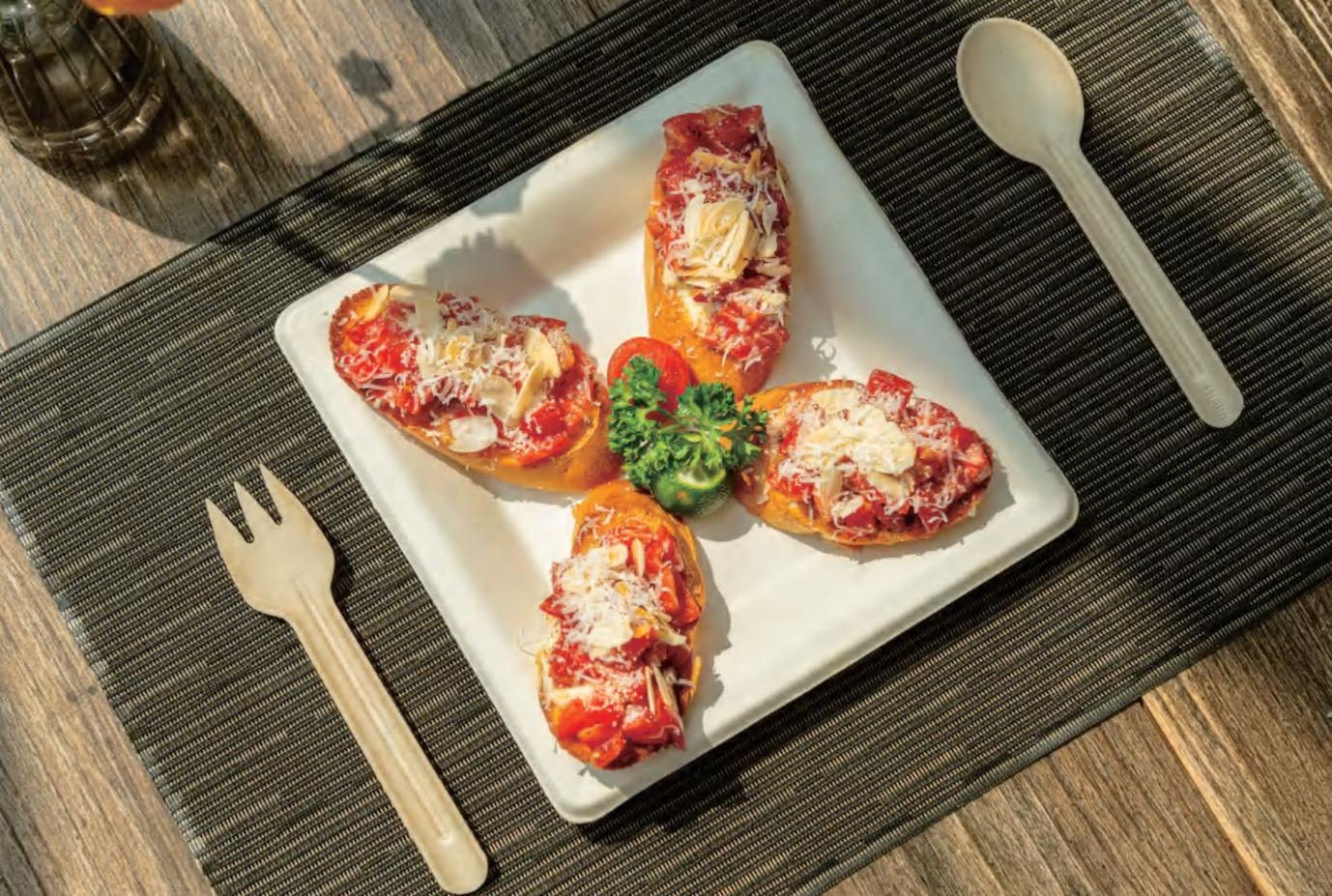
Why Brand Customization Elevates Disposable Takeaway Food Containers
The Psychology of Packaging: How Color, Shape, and Logo Placement Build Emotional Recognition
Colors work like secret codes for brands right away. Bright red catches eyes and makes people excited, whereas those muted greens and browns quietly tell customers that sustainability matters to the company. When it comes to shapes, what we see affects how we think something works. Deep containers look like they hold plenty of product, and those sealed packages with no leaks just scream safety. Where logos sit on packaging makes all the difference too. Putting them dead center grabs notice when someone opens a box, but sticking them in corners keeps them visible even when products are stacked together in stores. All these little design choices create feelings without us even realizing it. According to Packaging Digest from last year, around seven out of ten shoppers link good looking packaging directly to better tasting food. Smart companies know this stuff inside out. They apply those golden ratio principles to get everything looking balanced and appealing, plus they go for bold colors so their products stand out whether under bright lights or dim store lighting.
Instagram-Worthiness as Organic Growth: Visual Consistency Across Customer Touchpoints
When food looks good enough to photograph, it basically markets itself for free. Studies show dishes served in branded containers get about 35% more likes and shares on social media compared to plain old boxes (Social Media Today 2023). To keep things looking consistent, match container colors with what appears on menus and websites. Make sure logos stay readable even in small thumbnails on phones. And don't forget texture choices matter too – matte finishes work well for eco-friendly brands while glossy ones might suit different aesthetics. The magic happens when these containers pop up repeatedly across delivery platforms, unboxing clips, and restaurant counters. People start recognizing them everywhere, which builds brand awareness naturally over time. We've seen restaurants see around 22% boost in repeat customers simply because their packaging carries distinctive design elements that look great whether sitting on a plate or scrolling through someone's Instagram feed.
Designing for Impact: Aesthetic Customization Without Compromising Function
Typography, Finishes, and Strategic Logo Placement on Disposable Takeaway Food Containers
The way we handle typography, choose surface finishes, and place logos all come together to strengthen brand identity without losing sight of what works practically. Sans serif fonts that are easy to read at just the right size keep important stuff like reheating directions clearly visible when someone needs them most. Matte or satin coatings that resist water don't just look better but actually make the product feel more valuable too, and they still hold up against grease without breaking down. Putting logos where people will see them first matters a lot. We tend to center them on lids or angle them along the sides so customers notice them right away when opening packages, but we also watch out for spots that might weaken the structure over time. Some studies on how people interact with packaging suggest these small touches can really stick in memory banks, maybe even improving brand recognition by around half, all while keeping those pesky leaks at bay and making sure items stack properly in storage areas.
Simplicity-First Design: Cost-Efficient Customization That Preserves Brand Clarity
When it comes to getting the most bang for their buck, minimalist design strategies really stand out. Brands that stick to just one main color in their packaging can cut printing expenses anywhere from 30 to 40 percent without losing much brand recognition either. Simple logos work wonders when set against stark backgrounds such as plain white cardboard boxes, making them easy to spot even when tiny. The packaging world has long known that adding extra design elements just complicates things during manufacturing and creates more chances for problems down the line. Take those fancy embossed logos on top of containers for instance. They give off that luxury vibe because people actually feel them with their fingers, yet they don't need any fancy decorations to pull this off. Plus, these basic designs still keep all the important properties intact like being safe in microwaves, insulating properly, and breaking down naturally after disposal.
Choosing Sustainable Materials That Align With Brand Values and Performance
Eco-Conscious Substrates (Bagasse, Kraft, PLA) for Disposable Takeaway Food Containers
What materials we choose tells customers exactly where our brand stands on environmental issues and also makes sure products work properly. Take bagasse for instance. Made from leftover sugarcane fibers after harvesting season, it can handle oils and even goes in microwaves safely which is great when serving warm meals. Then there's kraft paper containers that most people find easy to recycle plus they look pretty simple and clean, something many businesses want nowadays to cut down on trash. And let's not forget about PLA, that stuff comes from corn starch basically, so it breaks down in compost bins but only works well for things kept cold though. According to latest numbers from the 2024 Eco Packaging Report, around two thirds of shoppers actually care about what kind of packaging companies use. So picking between these three main options becomes important for building trust with customers. Maybe go with bagasse if strength matters most, opt for kraft paper when recyclability counts, or choose PLA when compostability is key. Whatever decision gets made should help maintain genuine brand image while still handling everyday concerns such as preventing leaks and keeping contents at proper temperatures.
Bringing Custom Disposable Takeaway Food Containers to Life: Partnering With Manufacturers
Navigating MOQs, Sampling, and Quality Control for Reliable Brand Execution
Working hand in hand with manufacturers turns those ideas about custom disposable food containers into actual products customers will see and use. When talking MOQs, start with what makes sense for where your business currently stands. Many suppliers actually have different price tiers for smaller orders, so don't be afraid to ask about options if you're just getting started. Before going full steam ahead on production runs, it's absolutely worth the time to get physical samples first. Check how sturdy they feel, test if liquids stay contained, and look closely at how well the printing holds up. We've found that having three main quality checkpoints works pretty well most of the time: checking materials before production starts, doing quick spot checks while things are being made, and then running some random tests after everything comes off the line. Branding issues like crooked logos or colors that look wrong can really hurt trust down the road. Keep lines of communication open throughout the whole process because even one late delivery messes up dozens of customer interactions. And remember to put all those details about materials, exact color specs, and size requirements into written contracts. Clear documentation helps prevent misunderstandings later when expectations aren't met.
Frequently Asked Questions
- Why is color important in takeaway food containers? Colors in packaging create immediate branding connections and evoke emotions, affecting customer perception and purchase decisions.
- How does branded packaging impact social media marketing? Branded packaging increases visual consistency across platforms, boosting engagement and organic reach on social media.
- What are some eco-friendly materials for food containers? Bagasse, Kraft paper, and PLA are popular eco-conscious materials that align with sustainability goals while providing functionality.
- How can businesses manage minimum order quantities (MOQs) effectively? Businesses should start with realistic MOQs, communicate openly with suppliers about options, and ensure quality through sampling and testing.
Table of Contents
- Why Brand Customization Elevates Disposable Takeaway Food Containers
- Designing for Impact: Aesthetic Customization Without Compromising Function
- Choosing Sustainable Materials That Align With Brand Values and Performance
- Bringing Custom Disposable Takeaway Food Containers to Life: Partnering With Manufacturers