
 EN
EN
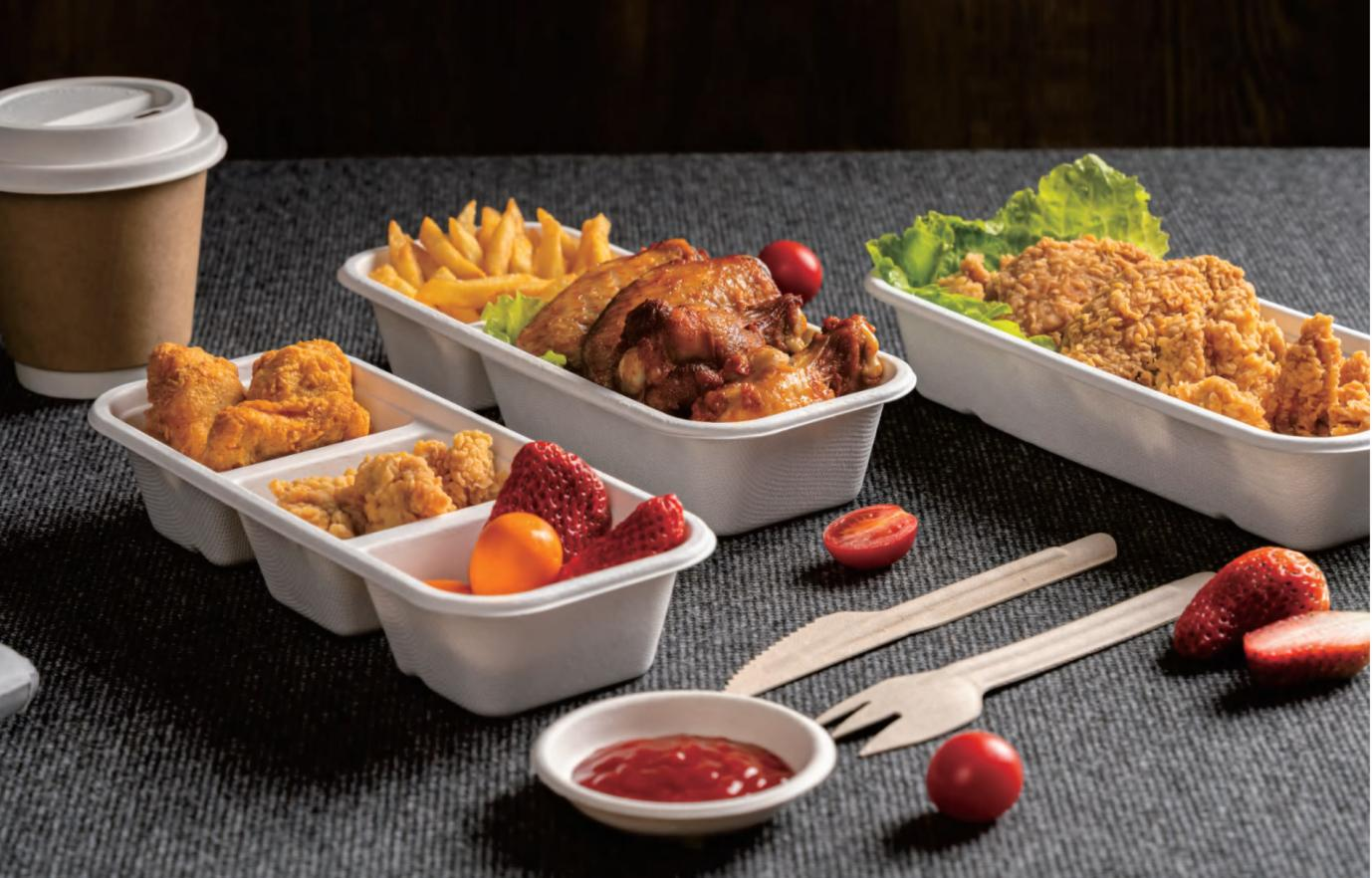
What Is a Sugarcane Bagasse Bowl? Material Origins and Manufacturing Process
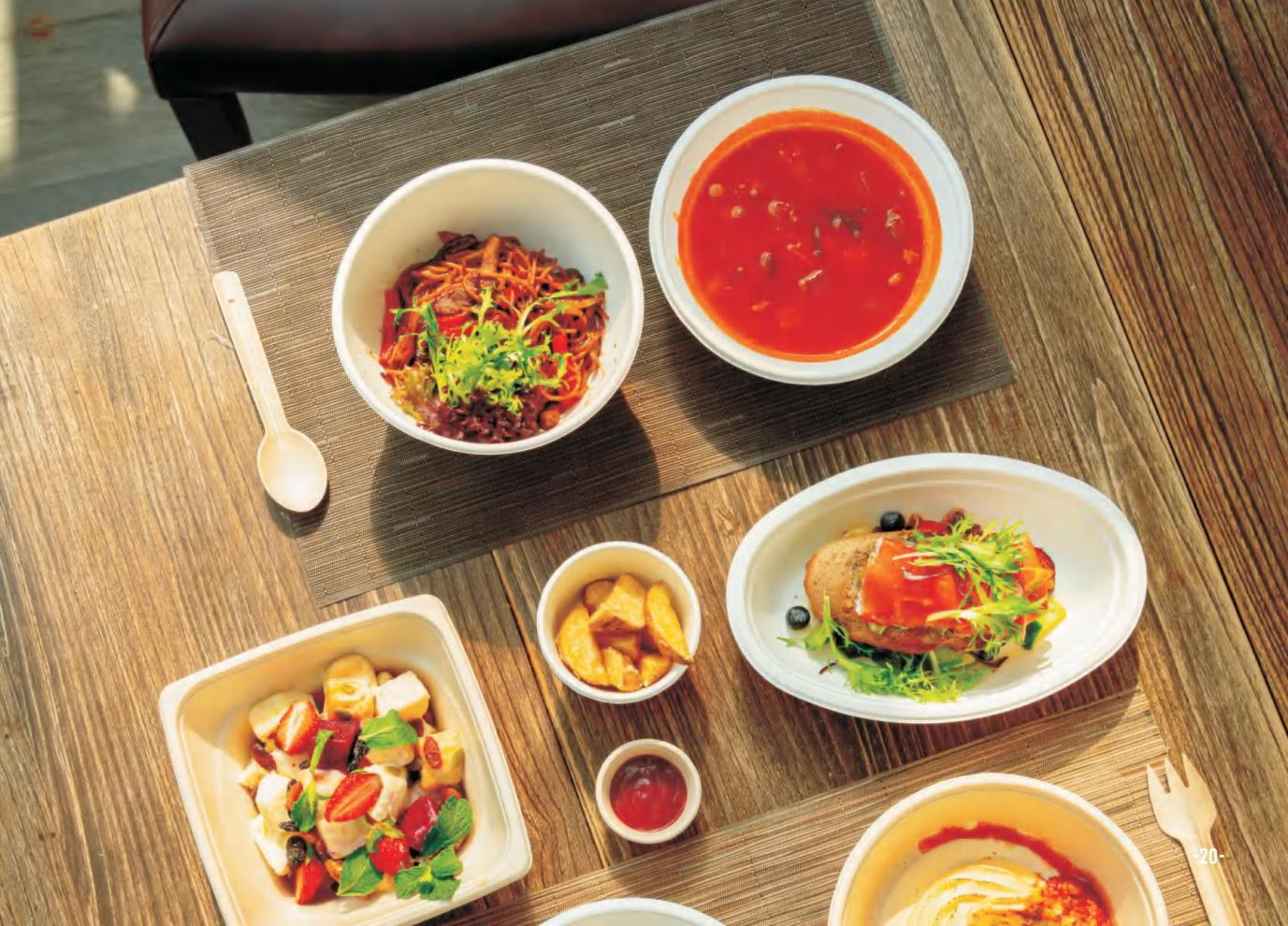
From Sugar Mill Byproduct to Molded Tableware
What most people don't realize is that sugarcane bagasse is basically what remains after extracting juice from sugarcane during sugar production. Instead of just burning it or throwing it away as waste, manufacturers have started making really durable tableware from this material. The process starts with cleaning the fibrous bagasse and mixing it with water to create a sort of pulp mixture. Then they shape this slurry using vacuum forming techniques while applying heat and pressure to form bowls and plates. After shaping comes sterilization to make sure everything meets food safety standards. One thing worth noting is that there's no need for chemical adhesives since the natural lignin present in the fibers holds everything together on its own. By doing this, companies can utilize every part of the sugarcane plant, which means no trees get cut down for paper products. Plus, instead of sitting in landfills, this agricultural byproduct becomes something useful and will eventually break down naturally when composted.
Key Physical Properties: Heat Resistance, Strength, and Leak-Proof Performance
These sugarcane bagasse bowls can handle pretty hot stuff too, surviving temperatures all the way up to 220 degrees Fahrenheit (about 105 Celsius). That means they're safe to put in the microwave when reheating those leftover soups and sauces. And don't worry about freezing either, since they stay stable even at minus 4 degrees Fahrenheit (-20 Celsius). What makes these bowls special is their rich cellulose content, which gives them great strength when wet. They actually hold liquid for more than four hours without any leaks happening. Independent tests have shown these bowls resist oil getting through and can carry weights over three pounds (around 1.4 kilograms) just like regular plastic ones do. Plus, they come with ASTM D6400 certification so we know for sure they'll break down completely in commercial composting facilities within 90 days. Compare that to ordinary plastic products that hang around forever in landfills.
Why Food Service Businesses Choose Sugarcane Bagasse Bowls
Certified Compostability vs. 'Biodegradable' Greenwashing
Sugarcane bagasse bowls are becoming popular among operators who want something that actually breaks down properly instead of relying on those vague biodegradable labels that mean nothing. The ASTM D6400 certification is pretty important here because it means these bowls will decompose in industrial composting systems within about three months. That meets what most cities require, unlike all those marketing claims that sound good but don't stand up to scrutiny. According to recent figures from FMI in 2022, around 78% of eco-friendly tableware on the market today is made from sugarcane. But just having sugarcane content isn't enough. Only products with proper certification truly support circular economy principles and help businesses avoid getting caught up in greenwashing accusations later on.
Performance Parity with Plastic: Microwave-Safe, Freezer-Stable, and Grease-Resistant
These bowls deliver what regular plastic offers but without hurting the environment. They can take hot food temperatures around 200 degrees Fahrenheit without melting down. The material doesn't crack when frozen either, which is something ordinary containers struggle with. Plus, they push away oily substances so nothing drips through even after holding spicy curries or rich sauces. People can pop these in the microwave straight after taking them out of the fridge, no need for extra steps. That makes sense for companies selling ready meals online, food delivery operations, those trendy kitchen spaces that prepare food offsite. Basically anywhere where packaging needs to work well throughout the whole journey from cooking area to customer's table.
Commercial Applications and Real-World Use Cases
Meal Kit Delivery, Cloud Kitchens, and QSR Packaging Requirements
Sugarcane bagasse bowls are standing up to the tough requirements of today's food service industry. Meal kits love them because they won't leak while being shipped around. Cloud kitchens find value in how they work with microwaves and block grease, making it easier to ditch plastic containers. Quick service places put them through the wringer from freezer to oven temps ranging from minus 20 degrees all the way up to 220 without any warping issues. Plus, these bowls stack neatly which solves a huge problem for many kitchens. Nearly seven out of ten commercial kitchens list storage space as a major headache, so having containers that take up less room on shelves and in delivery trucks makes a real difference day to day operations.
Customization Options: Sizes, Lids, Branding, and Minimum Order Flexibility
Businesses scale sustainably with flexible customization:
- Sizes: 16 oz soup bowls to 32 oz salad containers
- Lids: Snap-fit, hinged, and leak-proof options
- Branding: Soy-based ink printing or custom embossing
- Order volume: Minimums start at 5,000 units—supporting startups and enterprise chains alike
Standard production cycles run two weeks, with rush options available. Cafés, corporate caterers, and university dining programs use these features to uphold brand identity while meeting composting mandates and customer expectations.
Sourcing and Sustainability Verification for B2B Buyers
For B2B buyers looking at sustainability, it's important to go beyond what companies say about their green credentials. Look for suppliers who can show third party certifications like ASTM D6400, along with complete documentation tracing where their bagasse comes from. The best ones will prove that all their material comes from sugar mills as a byproduct, with no connection whatsoever to cutting down forests or changing land use patterns. Ask for detailed audit reports that cover everything from worker conditions to carbon footprint during transportation and actual environmental performance at manufacturing sites. About 62 percent of food service distributors these days want to see lifecycle assessments completed before they'll even consider signing contracts according to recent industry data. So transparency throughout the supply chain isn't merely doing the right thing anymore. It gives companies a real edge when it comes to their ESG reports and helps build genuine trust among consumers who care about sustainability.
FAQ
What are sugarcane bagasse bowls made of?
Sugarcane bagasse bowls are made from the fibrous byproduct remaining after sugarcane juice is extracted during sugar production. This fibrous material is mixed with water to form a pulp and then molded into bowls under heat and pressure.
How do sugarcane bagasse bowls contribute to sustainability?
These bowls are made from a renewable resource, using parts of the sugarcane plant that would otherwise be waste. They are certified compostable, meaning they break down completely in composting facilities, reducing environmental impact compared to traditional plastic.
Are sugarcane bagasse bowls microwave and freezer safe?
Yes, sugarcane bagasse bowls can withstand high temperatures up to 220 degrees Fahrenheit, making them microwave-safe. They are also stable at temperatures as low as minus 4 degrees Fahrenheit, making them suitable for freezer use.
What certifications do these bowls have?
Sugarcane bagasse bowls typically carry ASTM D6400 certification, indicating their ability to decompose completely in an industrial composting system within 90 days.