
 EN
EN
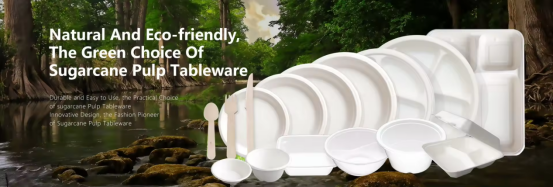
Why Eco-Friendly Disposable Plates Matter for Businesses
Companies are under increasing scrutiny when it comes to following green laws such as the EU's ban on single use plastics and California's restrictions on plastic items. Switching to biodegradable or compostable plates can save them from hefty fines and ensure they stay within the bounds of these regulations without much hassle. But there's another angle here too. Green tableware actually boosts how customers see a business. According to Nielsen research from last year, roughly seven out of ten shoppers tend to favor restaurants and cafes that use earth friendly alternatives. This preference translates into real benefits for businesses wanting to keep their regulars happy and stand out against competitors. Looking at market trends paints a similar picture. Technavio reports suggest that demand for sustainable dining options will continue rising at about 5 percent each year until at least 2028.
Real world demands push businesses toward change. Restaurants and caterers handling big events need disposable plates that can handle greasy, hot food without falling apart or leaking everywhere at the worst possible moment. The old plastic stuff just doesn't cut it anymore. It creates mountains of waste, gets stuck in recycling systems, and now runs into all sorts of legal hurdles across different regions. When companies switch to plates made from materials that have proper sustainability certifications, they solve several problems at once. Their products last through actual usage, meet whatever local laws happen to be in place, and most importantly satisfy customers who increasingly care about what happens after the meal is over. This kind of practical shift makes business sense while keeping things running smoothly day to day.
Key Materials Behind Sustainable Disposable Plates
Plant-Based Options: Sugarcane Bagasse and Bamboo
What happens to sugarcane after we squeeze out all the juice? The leftover fibrous stuff called bagasse actually turns into pretty solid plates that can handle hot food without melting. Pretty cool right? These plates will break down fully in industrial composting systems in about three months, and they resist oil just as well as regular plastic does. Then there's bamboo which grows at lightning speed compared to normal hardwood trees – around thirty times faster! Plates made from processed bamboo pulp can take heat up to boiling point and rot away much quicker than old fashioned plastic stuff. Using either of these materials cuts down on trash going to landfills by almost all of it when compared to those Styrofoam alternatives, yet they still hold their shape during big events and parties.
Compostable PLA and Recycled Paper Innovations
Polylactic acid (PLA) bioplastics derived from corn starch offer transparency and flexibility similar to conventional plastic, yet require industrial composting (50–60°C) for complete breakdown within six months. Meanwhile, recycled paper plates utilize post-consumer waste but face functional limitations:
| Material | Heat Resistance | Oil/Water Barrier | Compostability |
|---|---|---|---|
| PLA Bioplastic | Moderate (85°C) | Excellent | Industrial only |
| Recycled Paper | Low (70°C) | Requires coating | Varies by lining |
Innovations in plant-based coatings now enhance recycled paper's functionality without PFAS chemicals–though durability remains lower than fiber-based alternatives. For businesses, PLA suits cold displays, while coated papers work best for dry snacks.
Certifications and Standards That Verify Eco Claims
BPI, TÜV OK Compost, and ASTM D6400 Explained
Independent certifications actually back up claims about whether disposable plates can truly be composted. The BPI stamp basically means items will decompose properly at commercial compost sites over around six months time frame. Then there's TÜV Austria with their OK Compost ratings for both industrial and home use. They check if things break down when exposed to certain heat levels and dampness. Meanwhile ASTM D6400 looks specifically at plastics to see if they fully vanish in regular city compost operations. All these standards matter because nobody wants leftover bits of plastic floating around in compost piles. Microplastics and harmful chemicals are definitely not what anyone is after when trying to create closed loop waste management systems.
Avoiding Greenwashing: What to Look For on Packaging
Scrutinize packaging to distinguish genuine sustainability from misleading claims. Prioritize these indicators:
- Certification logos: Legitimate eco friendly disposable plates display BPI, TÜV, or ASTM seals–not vague terms like “earth-friendly.”
- Material transparency: Clear percentages of renewable content (e.g., “100% sugarcane bagasse”).
- Disposal instructions: Certified compostables specify industrial or home composting requirements.
A 2023 Green Business Survey found 68% of “eco” disposable plates lacked verifiable certifications, highlighting greenwashing risks. Always verify claims through official certification databases–not marketing language.
How to Choose the Right Eco-Friendly Disposable Plates for Your Needs
Selecting sustainable disposable plates requires balancing functional needs with environmental impact. Consider these key factors to optimize both operational efficiency and eco-credentials.
Matching Plate Type to Event Scale and Food Service Requirements
Small get-togethers under about fifty people often look great with handcrafted items such as palm leaf plates, though these can be hard to find sometimes. When it comes to big corporate functions though, most organizers go for standard stuff like sugarcane bagasse plates because they work reliably across the board and fit well into large scale compost programs. What kind of food is being served really matters too. Fatty foods call for something that resists oils, maybe paper lined with PLA material works best there. Acidic dishes are another story entirely since they need materials that won't break down over time. And don't forget to check those grease barrier certificates especially important if there will be lots of hot soups or stews on the menu.
Balancing Durability, Heat Resistance, and Shelf Life
Prioritize heat-resistant materials like bamboo fiber (tolerating 100°C/212°F) for buffet service, while compostable PLA suits cold dishes but requires industrial composting. Shelf life varies significantly:
| Material | Avg. Shelf Life | Heat Threshold | Ideal Use Case |
|---|---|---|---|
| Sugarcane | 18 months | 95°C/203°F | Catering hot mains |
| Recycled Paper | 12 months | 80°C/176°F | Desserts/cold appetizers |
| Palm Leaf | 24 months | 200°C/392°F | Grill stations |
Conduct plate stress-tests with your typical food weights–sturdier options prevent 73% of leakage incidents according to sustainable packaging studies. Avoid stockpiling beyond material expiration dates to maintain compostability certifications.
The Business Benefits of Switching to Sustainable Disposables
Switching to eco friendly disposable plates can actually save money while making businesses look better too. Some big restaurant chains have seen around 20% cuts in their waste bills since they started using compostable tableware instead of regular plastic stuff. The reason? Biodegradable materials just cost less to throw away compared to standard plastics. Plus, going green tends to boost how customers see a brand. Take one mid sized food company for instance - they noticed about 30% more people coming back after they made the switch to compostable packaging. Makes sense really. As more places start banning single use plastics (already happening in 18 US states), companies that adapt now will be ahead of the curve when regulations get stricter down the road.
Consider these key advantages:
| Benefit Category | Business Impact |
|---|---|
| Cost Efficiency | Lower landfill fees, reduced waste collection frequency |
| Brand Enhancement | Higher customer loyalty among eco-conscious demographics |
| Compliance Security | Avoidance of regulatory fines and plastic bans |
Additional benefits include tax incentives for sustainable procurement in 12 states, improved employee morale through demonstrable CSR commitments, and lighter-weight packaging that reduces shipping expenses.
The transition to sustainable disposables creates a ripple effect: reduced carbon footprints from manufacturing coupled with positive consumer sentiment directly influence bottom-line performance. Businesses implementing these changes position themselves as industry pioneers while achieving tangible economic gains.