
 EN
EN
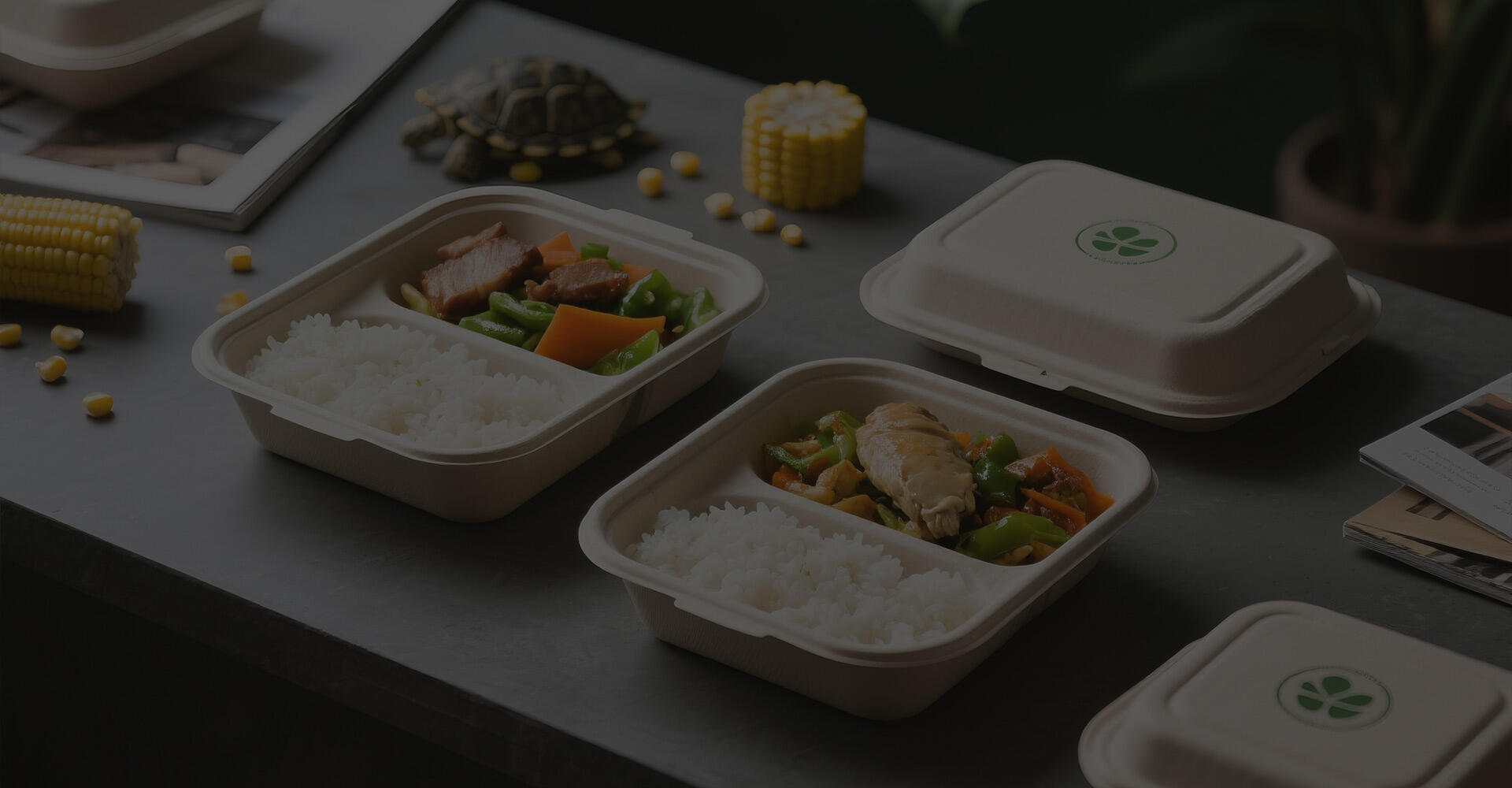
Certified Compostable Takeaway Food Containers: Materials That Deliver on Standards
Bagasse, Molded Fiber, and Wheat Straw – Performance and ASTM D6400/EN13432 Verification
Many top companies in the food packaging business are turning to materials like sugarcane bagasse, molded fibers from recycled paper pulp, and wheat straw to make their takeaway containers that break down industrially. What makes these options stand out is how sturdy they stay even when hot food goes inside them, handling temperatures around 220 degrees Fahrenheit before showing any weakness. However, just because something says it's compostable doesn't always mean it will actually decompose properly. Real compostability comes down to getting certified through strict tests outlined in standards such as ASTM D6400 or EN13432, which most consumers probably haven't heard of but manufacturers need to follow religiously. And according to those standards, there are three main things that have to happen during proper industrial composting for a product to truly qualify as compostable:
- Disintegration: >90% mass loss within 84 days, with no fragments >2 mm remaining
- Eco-toxicity: Zero heavy metal residues and no inhibition of plant germination or growth
- Biodegradation: >60% of organic carbon converted to CO² within 180 days (ASTM D6400)
When there's no proper checking involved, so called "biodegradable" containers tend to stick around in compost piles for way longer than expected, sometimes even breaking down into tiny plastic bits or releasing harmful substances. Groups like the Biodegradable Products Institute run these special tests over about twelve weeks where they look at how materials break apart, what happens with microbes in the mix, and whether anything bad gets into the soil. More and more companies that actually care about their environmental claims are now putting real test results online instead of relying solely on those fancy eco-labels. This helps separate genuine products from all the ones trying to pass off as green when they really aren't.
Cost-Effectiveness of Compostable Takeaway Food Containers: Beyond Unit Price
Per-Unit Cost Comparison: Bagasse Bowls, Kraft Paper Soup Bowls, and PLA-Lined Boxes
The price tag on compostable containers is usually 15 to 30 percent higher than regular plastic stuff, but smart choices can cut this difference quite a bit. Take those kraft paper soup bowls coated with water based stuff for instance. When bought in bulk they only run about 10% extra compared to plastic alternatives. What really matters though are these hidden money savers. Containers lined with leak proof PLA material actually cut down on wasted food. Plus, getting certified compostables means no extra fees from cities for throwing away things that cant be recycled. That adds up to somewhere between two and five cents saved per plastic item in actual disposal expenses.
Lifecycle Savings: Reduced Waste Hauling, Enhanced Brand Equity, and EPR Fee Avoidance
Restaurants can actually save money when switching to certified compostables, and it goes well beyond just what shows up on the monthly bill. These materials are simply lighter weight, which means less trash going into landfills. Restaurant owners have noticed hauling costs drop by around 15 to 20 percent since making the switch. After all, compostable items typically weigh about 40% less than regular plastic containers. With Extended Producer Responsibility or EPR laws spreading across many regions, companies that stick with non-compostable or hard-to-recycle packaging could end up paying hefty fines. Smart businesses jumping on board early with certified compostables sidestep these problems completely. We're talking about possible yearly fees reaching as high as $740,000 for every 10,000 restaurant locations according to a study from Ponemon Institute back in 2023. And let's not forget about how this affects brand reputation either. A recent survey found that nearly 7 out of 10 customers would happily spend extra bucks at places that share their green values. That kind of customer alignment translates directly into better long term relationships and increased spending over time.
Performance Realities: Heat, Grease, and Shelf-Life Limits of Compostable Takeaway Food Containers
Critical Failure Points – Hot Liquids, High-Grease Foods, and Extended Storage
Compostable containers work pretty well as long as they stay within their limits. Push past those boundaries though, and things start going wrong fast. Take bagasse containers for instance. They handle hot soups and curries just fine at temperatures around 95 degrees Celsius or so, which is about 200 Fahrenheit. But if the heat gets too high or someone microwaves food in them for too long, these containers break down quickly. When it comes to greasy foods, there's also a catch. Containers lined with PLA generally do better than regular kraft paper coated with water-based solutions for short periods with oily dishes. However, both types will eventually fail when exposed to oil for extended times, particularly once temperatures rise above 40 degrees Celsius. Shelf life matters too. Most compostable products start breaking apart after sitting around for two to three years in normal storage conditions, something traditional plastics don't have to worry about. The key takeaway here? Match the right container to the job. Use double layer bagasse containers for serving hot dishes right away, but definitely avoid putting high fat sauces in them for storage later on. This approach keeps everything working properly while still allowing proper decomposition at the end of the product's life cycle.
Strategic Sourcing for Restaurants: Scaling Sustainable Takeaway Food Containers Profitably
For restaurants looking to implement compostable packaging solutions, simply buying what's cheapest isn't going to work long term. The key is moving from basic purchasing habits to actually planning strategically about where materials come from. When choosing suppliers, make sure they have real ASTM D6400 or EN13432 certifications on file. Don't settle for just showing off those certification logos either – ask to see actual recent test results from independent labs. Restaurants that negotiate volume deals for items like bagasse plates or wheat straw containers often save between 15% to 30% each year on these products. Ordering in bulk also helps keep supplies coming when there are disruptions in the market. Many areas now offer Extended Producer Responsibility (EPR) programs that help cover some of the costs associated with managing waste. Incorporating these programs makes financial sense over time. Restaurant owners should think about total costs across all stages of product life, not just what shows up on the initial invoice. And don't forget regular checks on suppliers too. Quarterly audits help ensure that certifications remain valid, track where raw materials actually come from, and verify that each batch meets required standards. Taking this methodical approach ensures better quality control throughout the supply chain, protects against false claims about environmental benefits, and ultimately builds something valuable that grows along with the business.
Table of Contents
- Certified Compostable Takeaway Food Containers: Materials That Deliver on Standards
- Cost-Effectiveness of Compostable Takeaway Food Containers: Beyond Unit Price
- Performance Realities: Heat, Grease, and Shelf-Life Limits of Compostable Takeaway Food Containers
- Strategic Sourcing for Restaurants: Scaling Sustainable Takeaway Food Containers Profitably