
 EN
EN
igh-Traffic Food Service Environments
Performance in Quick Service Restaurants and Cafés Under Peak Demand
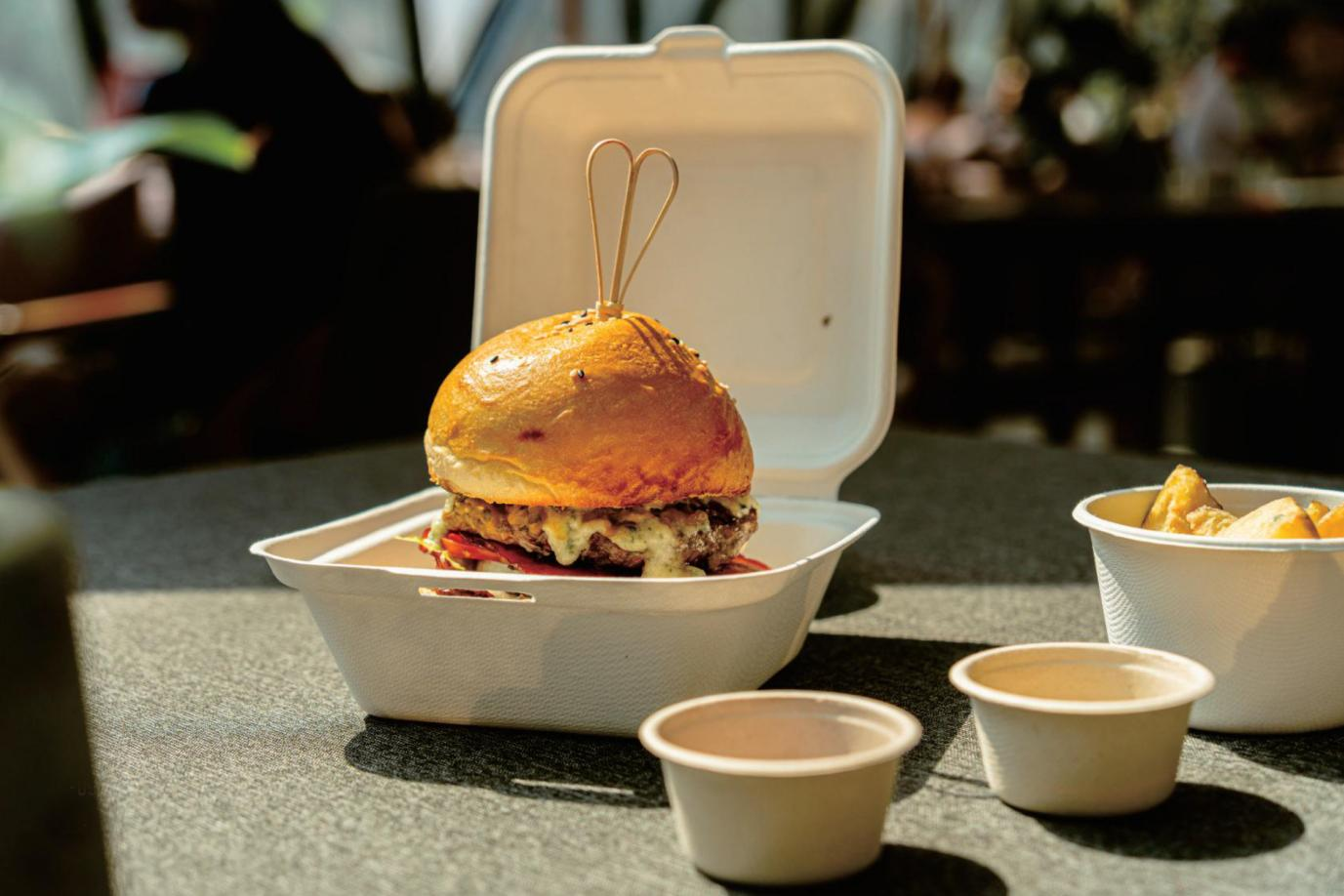
Bagasse tableware really shines in busy food service spots such as fast food joints and coffee shops when things get hectic. Made from sugarcane fibers, these plates hold up against the constant rush of customers without compromising on food safety, which matters a lot when places are processing over 200 orders every hour. The stuff doesn't bend or warp even when loaded with hot fried food or warm sandwiches, cutting down spills by around 18 percent according to some industry research from last year. These plates can handle heat up to about 220 degrees Fahrenheit without falling apart, so they stay intact whether holding soup or sauce. Plus their resistance to oil keeps burgers and pastries looking good even after sitting out for a while. Restaurant workers appreciate this because it means less time replacing broken dishes during those chaotic lunch periods. Most cafe owners say they need to restock tableware less often now. And since bagasse breaks down naturally, managing trash becomes much simpler in places where garbage piles up quickly throughout the day.
Stacking, Transport, and On-Site Service Durability
The stacking strength of bagasse tableware makes it ideal for high-traffic logistics, withstanding up to 20 lbs of vertical pressure—crucial when transporting multiple layered containers. This prevents crushing during kitchen-to-table transit or delivery bag packing, unlike flimsier alternatives that fail at 8–10 lbs (Sustainable Packaging Coalition 2023). Key advantages include:
- Nesting stability: Interlocking design minimizes shifting during cart transport
- Moisture resistance: Withstands condensation in cold displays without becoming soggy
- Impact resilience: Absorbs shocks during trolley movement across uneven floors
Operators report 30% fewer container failures during buffet service, while non-slip surfaces prevent sliding on trays. The material’s lightweight yet robust composition also cuts storage space by 25% compared to ceramic equivalents, optimizing back-of-house efficiency.
Temperature-Versatile Catering Applications
Hot Food Service: Soups, Stews, and Saucy Meals Without Leakage or Warping
Bagasse tableware holds up really well in those hot situations we see all the time in commercial kitchens. These containers can handle temps as high as 220 degrees Fahrenheit without falling apart. Made from natural fibers, they form a kind of barrier against moisture so things like curries or ramen won't leak out even after sitting around for a couple hours at buffets. This is actually pretty important because nobody wants spilled food making a mess. Plastic options tend to melt or start giving off weird chemicals when exposed to heat, but bagasse stays firm even when holding steaming hot soup bowls. Plus, the ribs on the sides make them easier to grab and less likely to slip through hands, plus they stand up better to oily stuff like beef stew or fried rice that would soak right into other materials.
Cold & Fresh Food Presentations: Salads, Sushi, and Desserts with Oil and Moisture Resistance
When used for cold dishes, bagasse naturally resists oils so dressings don't get absorbed into salads or poke bowls, which keeps those greens nice and crunchy. The material also has a water-repelling surface that stops condensation from making sushi displays soggy, plus it's sturdy enough to hold up layered desserts like parfaits without swelling or bursting at the seams. Regular paper products tend to fall apart pretty quickly once they come into contact with moisture, often disintegrating in about 20 minutes. But bagasse made from plant fibers stays intact for around four hours or longer, making it great for things like seafood towers served on ice or fresh fruit arrangements at summer festivals where containers need to stay strong despite being exposed to humidity all day long.
Special-Event and Off-Site Catering Use Cases
Buffets, Weddings, and Corporate Events: Reliability Under Extended Service Conditions
Bagasse tableware really shines during those long catering jobs when the stuff just needs to hold up no matter what. Think about weddings that go on forever, buffet lines at conferences, or any event where people are eating for several hours straight. The material stays strong even after sitting on steam tables all day and won't leak when handling messy foods like spicy curries or rich braised meats. There's something about the natural oils in bagasse that keeps salads crisp and appetizers intact without turning into a soggy mess. Plus it handles temperature changes pretty well too, so these plates can move from hot chafing dishes right over to cold dessert stations without cracking or warping.
Bagasse plates are light but still pretty sturdy, which makes them much easier to handle when transporting equipment to events. They stack up nicely in boxes and can take quite a bit of rough treatment during setup without breaking apart. According to some event coordinators we've talked to, there tend to be about 30 percent fewer broken plates than what happens with regular paper ones at long lasting parties or conferences. The fact that these plates actually decompose within around 60 days instead of sitting around for hundreds of years like plastic does makes them really attractive for places trying to cut down on trash while still keeping guests happy with quality tableware.
Sustainability-Driven Operational Fit for Eco-Conscious Caterers
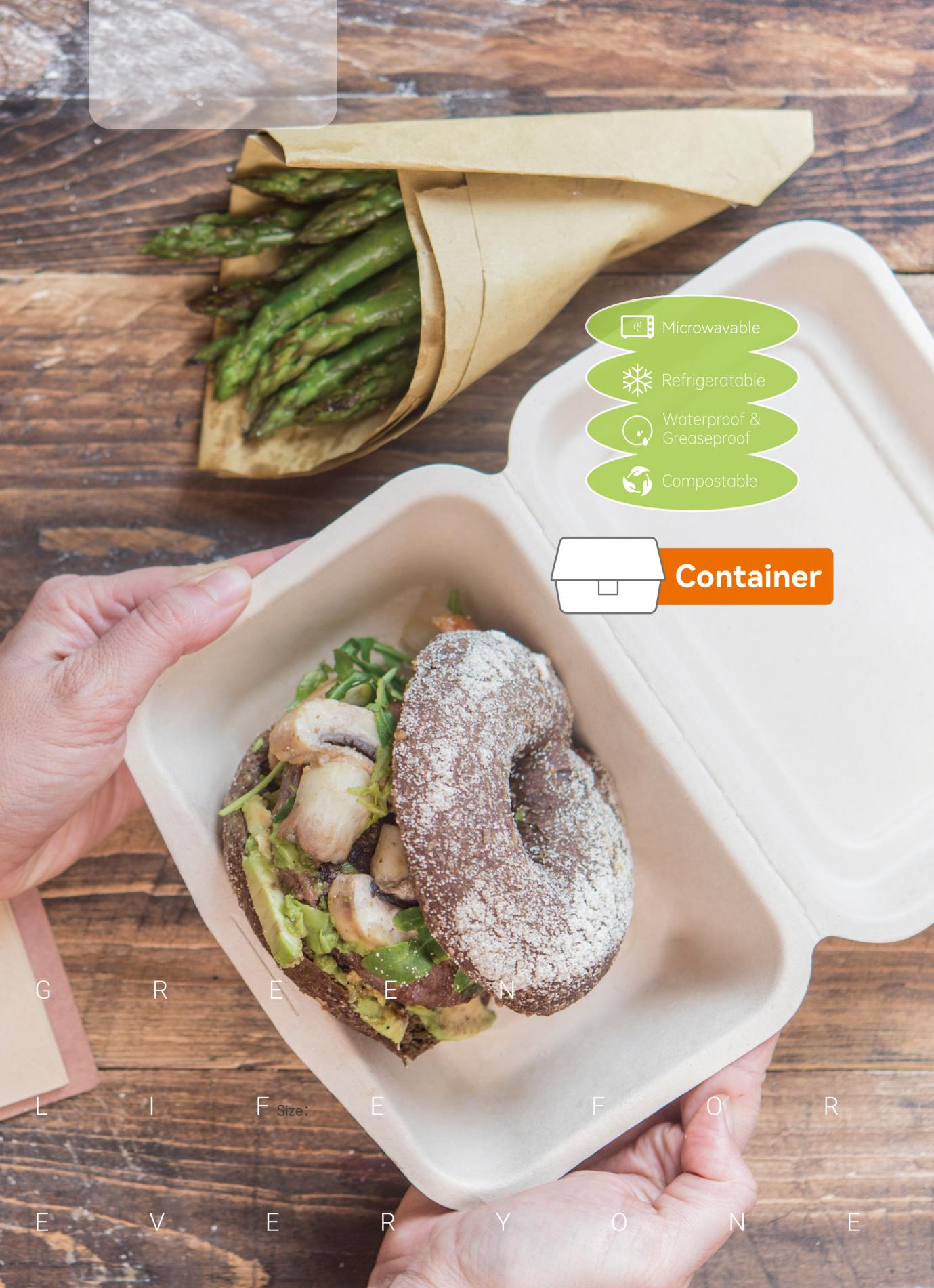
More people want sustainable options these days, and it's changing what caterers focus on. About three out of four diners now look for places that practice green habits when picking where to eat. Bagasse tableware helps tackle this problem head on since it breaks down completely in compost bins instead of sitting forever in landfills. What makes bagasse special? It holds up well even during busy events with lots of guests, so there's no need to sacrifice eco goals for practicality. Plus, plates made from sugarcane fiber resist both oils and moisture, which means they work just fine whether serving steaming hot soups or chilled desserts. Around half of all customers are specifically looking for greener alternatives to cut their carbon impact too. And let's not forget the kitchen side of things either. These plant-based products can handle temperatures up to around 220 degrees Fahrenheit without melting down, plus they're safe to put in microwaves. So instead of viewing sustainability as just another fad, many smart caterers see it as something that actually saves money in the long run. Waste disposal bills drop by roughly 30 percent for businesses making the switch, based on numbers we've seen across the industry.
FAQ
What is bagasse tableware made from?
Bagasse tableware is made from sugarcane fibers, making it a biodegradable and eco-friendly option for food containers.
How does bagasse tableware perform under high temperatures?
Bagasse tableware can withstand temperatures up to 220 degrees Fahrenheit without bending, warping, or leaking, making it ideal for both hot and cold food service.
Is bagasse tableware suitable for cold food items?
Yes, it resists oils and moisture, making it suitable for salads, sushi, and desserts without absorbing dressings or condensation.
How does bagasse tableware contribute to sustainability?
Bagasse is compostable, decomposing within about 60 days, which reduces landfill waste and appeals to eco-conscious diners looking for sustainable dining options.