
 EN
EN
Understanding Biodegradability of Disposable Clamshell Materials
Defining Biodegradability: Key Terms and Industry Standards for Disposable Clamshells
When we talk about biodegradability, we're basically looking at how well a material can break down into water, carbon dioxide, and organic matter thanks to microbes doing their thing. The question becomes especially relevant for those single-use clamshell containers people toss after lunch. To know if these products actually qualify as biodegradable, manufacturers need to check off either the ISO 14855 standard for aerobic composting or ASTM D6400 for industrial compostability. According to these guidelines, materials should degrade at least 90 percent within half a year when kept in ideal conditions around 50 to 60 degrees Celsius with humidity levels similarly set between 50 and 60 percent. But here's where things get tricky in practice. Most products labeled as biodegradable don't account for what happens outside lab settings. Real world factors like unpredictable weather patterns, lack of proper microbes, and insufficient moisture levels can really slow down or even stop the breakdown process altogether.
Common Biopolymers Used in Clamshell Packaging: PLA, PBAT, Sugarcane Bagasse, and Cornstarch
Four biopolymers dominate disposable clamshell production:
- PLA (polylactic acid): Sourced from cornstarch, PLA degrades efficiently only at 58°C in industrial composting facilities.
- PBAT (polybutylene adipate terephthalate): A petroleum-based polymer that is compostable; commonly blended with PLA to enhance flexibility.
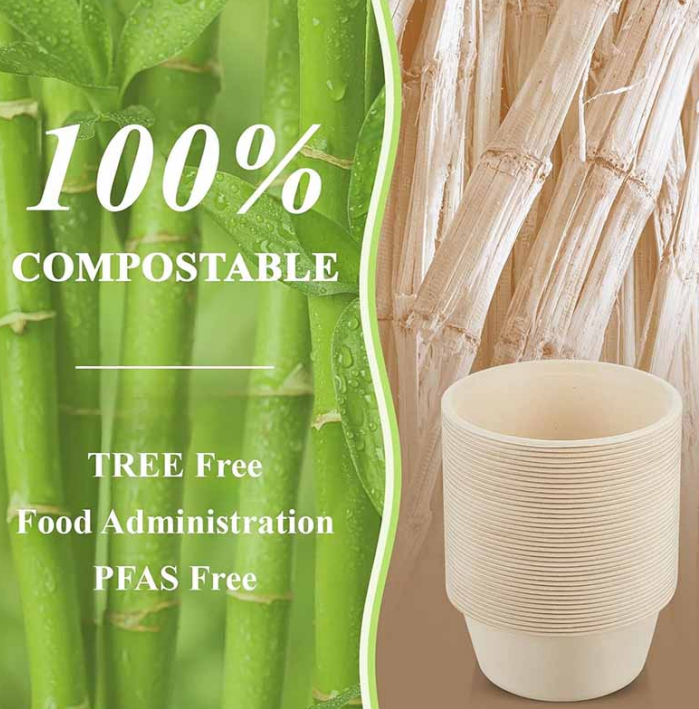
- Sugarcane bagasse: A fibrous byproduct of sugar extraction, it breaks down in 30–90 days under commercial composting conditions.
- Cornstarch blends: Hybrid formulations requiring specific heat and moisture levels to initiate fragmentation.
While these materials perform well in laboratory tests, their real-world effectiveness hinges on proper disposal infrastructure. For instance, PLA clamshells can persist for 12–24 months in landfills due to cold, oxygen-poor conditions that inhibit microbial breakdown.
Industrial Composting vs. Natural Environments: What Conditions Do Disposable Clamshells Actually Need to Break Down?
The best industrial composting sites keep things just right for breakdown to happen fast. They need around 55 to 70 degrees Celsius, about 50 to 60 percent moisture, and good air circulation throughout. Backyard compost heaps or regular soil don't usually hit those numbers though. According to research published last year, plastic containers made from PLA broke down about 87 percent in industrial compost systems, while sitting in normal garden soil for 18 months only managed 12 percent decomposition. The same goes for products made from sugarcane waste. So it's no wonder that so many items labeled as "compostable" end up sitting around forever once tossed into nature where there's no fancy equipment keeping everything balanced.
Biodegradation Rates of Clamshells in Soil, Compost, and Landfills
Most landfills create anaerobic conditions because they don't have enough oxygen or the right mix of microbes that help things break down naturally. Even items labeled as compostable, such as those made from PLA, PBAT, or sugarcane bagasse, can stick around for years in these environments. Studies suggest that PLA might only degrade by less than 5 percent over ten whole years. A recent 2022 report found that sugarcane bagasse still kept about 70 percent of its original structure after just 18 months sitting in what researchers called simulated landfill conditions. When organic material doesn't get oxygen, it turns into methane instead of breaking down into safe stuff. The problem is clear though: what gets certified as compostable often doesn't behave that way at all once it ends up in regular trash disposal systems where most people actually throw away their waste.
Performance in Aquatic and Marine Ecosystems
Do disposable clamshells biodegrade in water? Outcomes in freshwater and marine environments
The problem with clamshells made from PLA and PBAT is that they don't break down much at all in water environments. For these materials to really start decomposing, they need temperatures over 60 degrees Celsius, but most lakes, rivers, and even ocean waters stay well below 20 degrees on average. This means the breakdown process gets slowed down about three times longer than it would otherwise be. Some tests ran over 30 months in marine conditions showed something pretty shocking actually. The PLA clamshells kept around 94% of their original shape after all that time, which is way beyond what's required for marine biodegradable certification standards that typically look for complete breakdown within six months. So basically, what this tells us is that right now, these so-called bioplastics just aren't cutting it when it comes to breaking down naturally in our water systems.
Environmental impact of clamshell waste on aquatic ecosystems and wildlife
Partially broken down clamshell pieces soak up pollutants at around 80 to 120 times the concentration found in regular seawater, making them dangerous carriers throughout ocean food chains. Sea turtles often mistake these tiny plastic bits for jellyfish or plankton, and researchers have discovered them inside the stomachs of about 8 out of 10 sea turtles they've checked. The latest monitoring reports show biodegradable packaging makes up roughly 18% of all trash washing up on temperate coastlines now, which is actually 7 points higher than back in 2020. When microplastics from clamshells get mixed into ocean sediments, they change the chemical makeup and cut down on baby coral survival rates for nearly two thirds of the reef species scientists have looked at so far. This kind of damage seriously undermines how well marine ecosystems can bounce back from disturbances.
Real World Disposal Challenges and End of Life Management
Gaps Between Lab Claims and Real World Disposal: Temperature, Moisture, and Microbial Access Limitations
Biodegradable clamshells get certified after passing tests in labs where temps hit around 60 degrees Celsius with 60% humidity. But real world results tell another story. Industry numbers from 2023 show that less than 15 percent actually break down within the time frames promised by manufacturers when tossed into regular trash. Most city compost facilities struggle to maintain stable temperatures throughout the year. And when these items end up buried deep inside landfills, they don't get enough air or contact with microbes needed for decomposition. The reality is pretty shocking: those PLA containers can stick around for 18 to 24 whole months in landfills rather than the 12 weeks companies claim on packaging. There's just this huge difference between what happens in controlled environments versus actual disposal situations, which makes people question whether these products really help the environment at all.
Recycling, Composting Infrastructure, and Unintended Environmental Release of Disposable Clamshells
Just twelve percent of American cities actually take compostable clamshells through regular curb pickup programs, while less than one percent of recycling centers have the capability to handle those multi-layer bioplastic containers. Because of this gap in our systems, around sixty-three percent of what's labeled as "biodegradable" ends up sitting in landfills or floating around waterways instead. These materials stick around just like regular plastic does when they're not getting enough oxygen. Looking across the Asia Pacific area shows something similar happening there too. Coastal regions are seeing whole bunches of these clamshell containers pile up at about thirty percent higher rates than what laboratory tests would suggest. Why? Mainly because people aren't sorting their trash properly and there aren't enough places where composting is accessible. The bottom line remains pretty clear though: unless we get our infrastructure sorted out first, all the good intentions behind designing biodegradable packaging won't matter much if it still winds up polluting our environment for years to come.