
 EN
EN
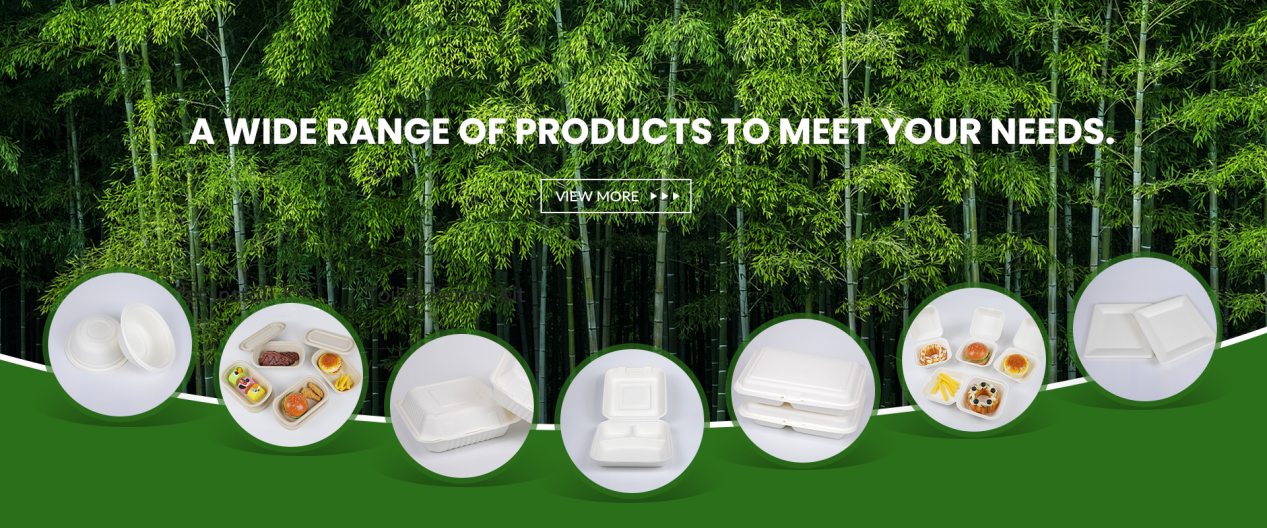
Bioplastic utensils like PLA are made from plant starches, typically corn, that go through an industrial polymerization process. The end result looks and feels like conventional plastic. Bagasse cutlery takes a completely different path. It is made from the fibrous residue of sugarcane after the juice has been extracted. That fiber is cleaned, pulped, and molded under high heat and pressure into sturdy forks, knives, and spoons. There is no complex chemical transformation involved. The material stays close to its natural state, which has real implications for how it behaves at the end of its life.
Real World Composting Performance
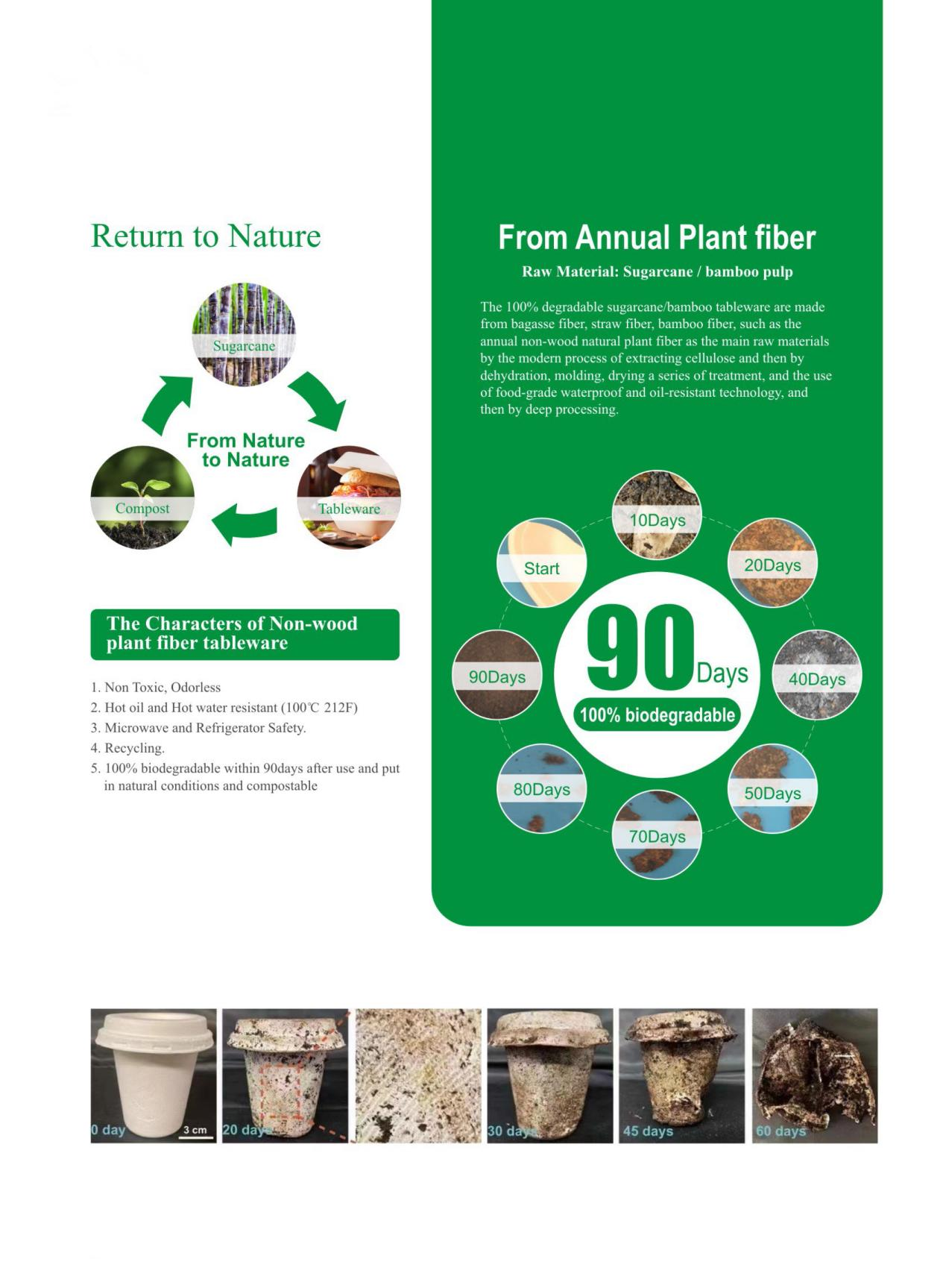
The biggest difference between bagasse and bioplastic utensils shows up after they are thrown away. PLA bioplastics require industrial composting facilities that maintain temperatures above fifty eight degrees Celsius. In a home compost pile or a regular landfill, they will sit there for years without breaking down. Worse, if bioplastic utensils end up in the ocean or in regular recycling streams, they cause the same problems as petroleum based plastics. Bagasse cutlery breaks down far more readily. It decomposes naturally within sixty to ninety days in commercial composting conditions and does so without leaving behind microplastics or chemical residues. For businesses that genuinely want to reduce their waste footprint, this is a critical distinction.
Key Differences at a Glance
|
Feature |
Bagasse Cutlery |
Bioplastic Utensils (PLA/CPLA) |
|
Raw material |
Sugarcane fiber, an agricultural byproduct |
Food crops like corn, processed into polymer |
|
Heat resistance |
Stays rigid up to about 100 degrees Celsius |
Softens around 60 degrees Celsius |
|
Composting requirements |
Breaks down in 60 to 90 days in commercial compost; decomposes more readily in various environments |
Requires industrial facilities with sustained high temperatures |
|
End of life |
No microplastics, fully biodegradable |
May leave microplastics if not properly composted |
|
Natural decomposition |
Returns to biomass without synthetic residues |
Does not break down in landfills or home compost |
Better Heat Performance
Anyone who has tried using a PLA fork with hot food knows the frustration. Bioplastic utensils soften and bend when exposed to temperatures above sixty degrees Celsius. That makes them nearly useless for hot soups, freshly grilled meats, or steaming noodle dishes. Bagasse cutlery handles heat without issue. It remains rigid and functional up to about one hundred degrees Celsius, so it performs reliably across the full range of hot foods. For restaurants and takeout services where hot entrees are the core of the business, bagasse is simply the more practical choice.
No Industrial Composting Dependency
Another often overlooked point is accessibility. Most cities around the world do not have industrial composting facilities that can handle PLA bioplastics. Even where such facilities exist, collection and sorting systems are rarely set up to direct bioplastics to the right place. The result is that many bioplastic utensils end up in regular trash or recycling bins, where they fail to break down as intended. Bagasse cutlery, because it decomposes much more easily, does not rely on a rare and specialized infrastructure to deliver on its environmental promise. It will break down in a well managed compost environment, making it a more realistic green solution for a wider range of locations.
Supply Chain and Quality Assurance
Reliable supply is essential for any food service business. Great Shengda Eco Pack manufactures bagasse cutlery across two production sites equipped with one hundred twenty automated molding machines, with a daily output capacity of one hundred twenty tons. That industrial scale means consistent quality and dependable delivery schedules. Every batch is produced under certifications including FDA, OK Compost, and ASTM, so buyers know the cutlery meets rigorous international standards for food safety and compostability. A supplier backed by a forty year old publicly listed parent company brings financial stability and long term reliability that smaller bioplastic startups often cannot match.
A Smarter Choice for Food Service
Switching to eco friendly cutlery is a step in the right direction, but not all alternatives deliver the same results. Bagasse cutlery outperforms bioplastic utensils in the ways that matter most: it handles hot food without softening, breaks down naturally without needing specialized industrial facilities, and is made from agricultural waste rather than food crops. For restaurant owners, caterers, and food service directors, choosing bagasse over bioplastic means choosing performance and genuine sustainability over marketing claims. Great Shengda Eco Pack makes that choice easy with certified, high capacity production and a track record of serving customers in over fifty countries.