
 EN
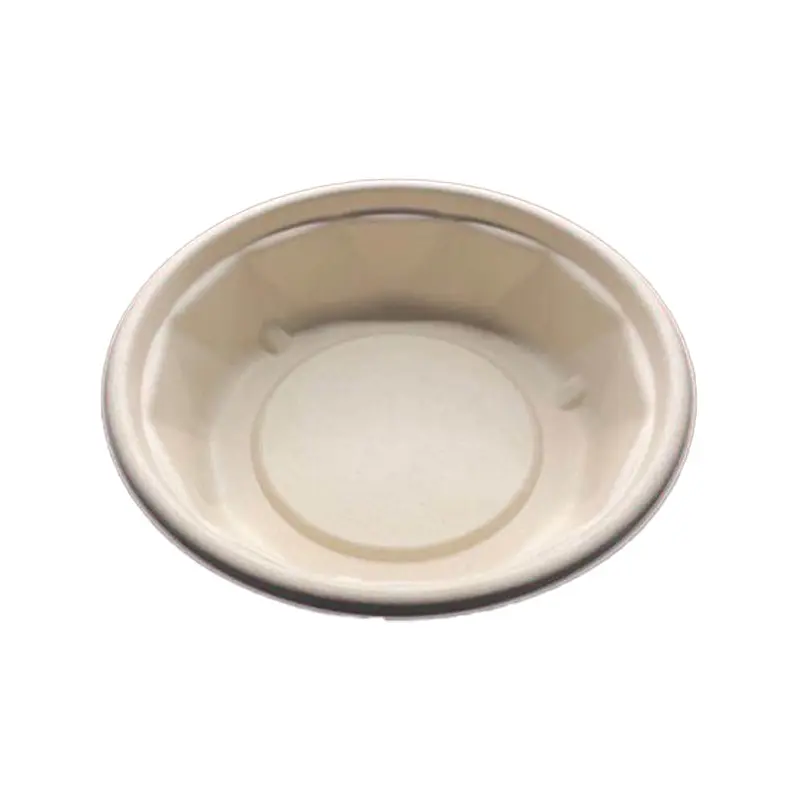
The Shift Toward Sustainable Food Service Solutions
Running a high-volume restaurant, a bustling coffee shop, or an international catering network involves fast-paced workflows, heavy daily order volumes, and constantly evolving consumer expectations. Drawing from frontline commercial venue management and sustainability audits, selecting the right packaging material is rarely viewed as a minor operational detail; instead, it serves as a core pillar of brand integrity, environmental responsibility, and daily efficiency. Traditional petroleum-based plastics and low-grade chemical-coated paper containers increasingly alienate eco-conscious diners and expose brands to mounting regulatory scrutiny. Embracing plant-based alternatives like pulp tableware acts as an essential strategic upgrade for modern food businesses. By prioritizing sustainable packaging solutions, operators eliminate common takeout failures, enhance the visual appeal of their culinary creations, and align their brand with the global movement toward zero waste and circular economy principles across every active dining station throughout the entire service lifecycle. Furthermore, adopting renewable packaging helps food service providers build long-term relationships with environmentally conscious consumers who actively seek out brands dedicated to reducing their carbon footprint and preserving natural ecosystems.
The Advanced Material Science Behind Plant-Based Molded Pulp
Achieving top-tier packaging performance requires moving far beyond conventional paper plates and flimsy wrappers by utilizing advanced molded fiber innovations. Modern eco-friendly manufacturing subjects rapidly renewable natural fibers, such as sugarcane bagasse and bamboo pulp, to intense thermal pressure and precision molding. This advanced production technique creates a dense, semi-permeable cellular matrix that naturally resists oil penetration and liquid absorption without requiring synthetic plastic linings. Unlike standard paper items that quickly turn soggy when exposed to hot gravies, oils, or condensation, high-end pulp tableware maintains exceptional structural integrity and load-bearing strength. Furthermore, its impressive thermal stability allows it to safely handle piping hot meals or withstand microwave reheating without releasing unwanted chemical odors, ensuring absolute food safety and structural perfection from the kitchen counter straight to the final consumer. This sophisticated material science guarantees that even greasy or moisture-heavy foods will not compromise container strength during transport, providing ultimate peace of mind for both restaurant owners and their loyal patrons.
Optimizing Kitchen Workflow and Operational Efficiency
Beyond material strength and environmental appeal, high-volume food service logistics rely heavily on packaging that streamlines daily kitchen workflows and packaging speeds. Kitchen supervisors and restaurant managers consistently note that uniform stackability, lightweight rigidity, and clean plate separation drastically reduce assembly times during chaotic peak rushes. When culinary teams are pumping out rapid orders per hour, they require tableware and containers that stack smoothly without jamming, preventing costly bottlenecks at packing stations and self-serve buffet counters. Additionally, rigid compostable pulp products significantly shorten post-event or post-meal clearing times, as staff can easily dispose of used items alongside organic food waste into commercial composting systems. This seamless operational integration minimizes labor friction, reduces waste handling expenses, and maintains lightning-fast service speeds without sacrificing quality. Streamlined packaging logistics also minimize storage space requirements in cramped commercial kitchens, allowing staff to operate with maximum freedom and efficiency during high-stress operational windows.
Meeting International Compliance and Environmental Standards
Today's globalized hospitality and food service landscape demands total supply chain transparency and verified environmental stewardship from commercial operators. Using uncertified or misleadingly labeled eco-friendly products damages public trust and exposes businesses to severe regulatory penalties. To build unshakeable credibility, food service brands must verify that their chosen packaging complies with rigorous international standards, including industrial compostability certifications and strict food contact safety regulations. Sourcing certified compostable pulp tableware communicates an authentic commitment to sustainability, turning routine meal packaging into an aligned brand experience that resonates deeply with modern diners, regulatory bodies, and corporate partners alike. This high level of compliance shields organizations from legal risks while securing long-term customer loyalty across diverse global markets. Moreover, proactive environmental compliance empowers businesses to participate in green corporate catering contracts and secure lucrative partnerships with eco-certified institutions that mandate strict sustainability standards.
Balancing Financial Cost Efficiency with Uncompromised Brand Prestige
Navigating the financial constraints of commercial food service management often forces operators to weigh upfront packaging expenses against long-term operational value. Buying ultra-cheap disposable containers might initially appear budget-friendly on paper, but hidden costs accumulate rapidly when substandard packaging fails mid-service, leading to food spills, customer refunds, negative online reviews, and wasted ingredients. Investing in professionally engineered pulp tableware eliminates these financial blind spots by delivering consistent durability that performs flawlessly under heavy culinary loads. Furthermore, direct manufacturer partnerships enable restaurant chains and food distributors to secure premium, custom-branded packaging without inflating operating budgets. By balancing cost-effectiveness with uncompromised quality, food businesses achieve optimal financial efficiency while projecting an upscale image of quality and environmental responsibility to every diner in attendance. This intelligent financial balancing act ensures that brand reputation remains untarnished while supporting sustainable growth in a competitive marketplace.
Elevating Green Food Packaging Through SHENGDA Solutions
Successfully scaling a sustainable food service brand or global distribution network demands a reliable supply chain partner capable of delivering consistent quality, custom sizing, and bulk volume on tight deadlines. SHENGDA stands at the forefront of sustainable packaging manufacturing, offering robust production capabilities and comprehensive end-to-end supply chain services. By blending cutting-edge pulp molding technology with strict quality control protocols, SHENGDA delivers high-performance pulp tableware tailored to international commercial standards. Partnering with a dedicated manufacturing leader like SHENGDA ensures that restaurant operators, global distributors, and hospitality brands receive dependable, cost-effective, and eco-friendly packaging solutions that elevate brand reputation and safeguard the natural environment for future generations, creating a lasting legacy of commercial excellence and sustainable leadership in the competitive global marketplace. Through continuous innovation and dedicated supply chain support, SHENGDA empowers modern hospitality businesses to thrive sustainably while meeting the rigorous demands of tomorrow's eco-conscious consumer base.
Table of Contents
- The Shift Toward Sustainable Food Service Solutions
- The Advanced Material Science Behind Plant-Based Molded Pulp
- Optimizing Kitchen Workflow and Operational Efficiency
- Meeting International Compliance and Environmental Standards
- Balancing Financial Cost Efficiency with Uncompromised Brand Prestige
- Elevating Green Food Packaging Through SHENGDA Solutions