
 EN
EN
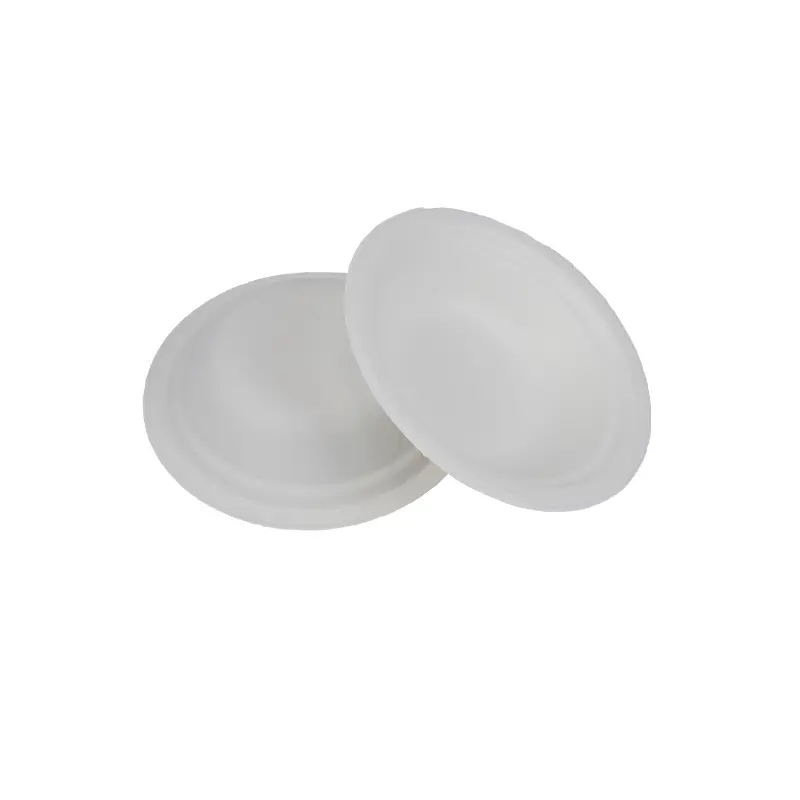
In today’s food service industry, disposable food containers are indispensable—used for takeaway meals, catering events, and retail food packaging. But two demands often seem conflicting: eco friendliness (to reduce environmental harm) and durability (to avoid leaks, breaks, or spills that ruin customer experiences). For businesses and consumers alike, the question is critical: What materials can balance these two needs, creating disposable food containers that are kind to the planet and tough enough for daily use? The answer lies in natural, plant-based fibers—specifically bagasse and bamboo fiber—and Hainan Great Shengda Eco Pack’s expertise in turning these materials into high performance containers shows exactly how this balance works.
First: What Defines “eco-friendly” and “Durable” for Disposable Food Containers?
Before diving into materials, we need clear standards for both “eco-friendly” and “durable”—two terms often used loosely but with specific requirements for disposable food containers.
What Makes a Disposable Food Container “eco-friendly”?
True eco friendliness goes beyond “biodegradable” labels. A container qualifies only if it meets three key criteria:
- Renewable sourcing: The material comes from resources that regrow quickly, without depleting forests or harming ecosystems.
- Full biodegradability: When disposed of in industrial or home composting conditions, it breaks down completely (at least 90% within 180 days) into water, carbon dioxide, and biomass—no microplastics, toxic chemicals, or residual fragments left behind.
- Low carbon footprint: The production process uses minimal energy and emits little greenhouse gas, avoiding the pollution linked to plastic or non recycled paper manufacturing.
Containers that do not meet all three criteria may not qualify as truly eco-friendly.
What Makes a Disposable Food Container “Durable”?
For food containers, durability isn’t just about “not breaking”—it’s about withstanding the real world demands of food service:
- Heat resistance: It must hold hot foods (like soups, noodles, or fried dishes) at temperatures up to 120°C (248°F) without warping, leaking, or releasing chemicals.
- Moisture and oil resistance: It shouldn’t absorb liquids or grease, which would make the container soggy or cause leaks (a major issue for sauces, curries, or fried foods).
- Structural strength: It must support the weight of food without collapsing—even when stacked (for catering or retail storage) or carried in a bag (for takeaway).
- Resistance to tearing or cracking: It should survive handling, from packaging in kitchens to transport to customers’ homes.
- Containers that lack these traits—like thin paper boxes (which soak up grease) or flimsy starch based containers (which melt with hot food)—fail to meet the needs of businesses and consumers.
The Top Materials: Bagasse and Bamboo Fiber for eco-friendly, Durable Containers
When it comes to balancing eco friendliness and durability, two natural fibers stand out: bagasse and bamboo fiber. These materials aren’t just “green”—they’re engineered to handle the toughest food service challenges, and Hainan Great Shengda Eco Pack has mastered their use in disposable food containers.
Bagasse: A Leading Material for Sustainable Packaging
Bagasse is the fibrous residue left behind after sugarcane is processed to extract juice. For decades, this material was considered waste—burned or discarded, releasing carbon into the air. Today, it’s one of the most sustainable and durable materials for disposable food containers, and here’s why:
eco-friendly Advantages of Bagasse
- 100% renewable and waste-derived: Bagasse uses a byproduct of the sugar industry, so no additional land, water, or pesticides are needed to grow it. It diverts waste from landfills and reduces the need to burn sugarcane residues (a major source of air pollution in sugar producing regions).
- Fully biodegradable: Under industrial composting conditions, bagasse containers within 90–120 days under industrial composting conditions (typically 55–60°C with controlled humidity). Home composting may take up to 6 months.—faster than many other plant-based materials. Even in home composting (slower than industrial), they biodegrade within 6 months.
- Low carbon footprint: Processing bagasse into containers requires 30% less energy than plastic manufacturing and emits 50% less greenhouse gas.
Durability Advantages of Bagasse
- Dense, rigid structure: Bagasse’s natural fiber density gives it exceptional strength. Unlike thin paper containers, bagasse containers don’t collapse under the weight of food—even heavy items like rice bowls or fried chicken.
- Heat and moisture resistance: The fibers in bagasse repel water and oil, preventing sogginess or leaks. They can safely hold hot foods up to 120°C (248°F) for hours, making them ideal for soups, stews, and takeaway meals that sit in bags during transport.
- No chemical coatings needed: Unlike some “eco-friendly” containers that rely on plastic liners to be leak proof, bagasse’s natural properties eliminate the need for harmful coatings. This keeps the container fully biodegradable while maintaining durability.
Leading manufacturers—such as Hainan Great Shengda—use high-quality bagasse as the base material for most of its disposable food containers—including takeaway boxes, bowls, and trays. The company’s processing technology preserves the fiber’s natural strength while ensuring uniformity, so every container meets the same high standard.
Bamboo Fiber: Enhancing Flexibility and Sustainability for Specialized Containers
Bamboo fiber is another star material for eco-friendly, durable disposable food containers—especially when combined with bagasse for added flexibility. Bamboo itself is one of the fastest growing plants on Earth: it can grow up to 1 meter per day, requires no pesticides, and regenerates from its roots (so no need to replant after harvesting).
eco-friendly Advantages of Bamboo Fiber
- Ultra renewable: Bamboo’s rapid growth makes it a near endless resource. A single bamboo plant can be harvested multiple times over 20 years, making it far more sustainable than trees (which take decades to mature).
- Carbon sequestration: Bamboo absorbs 5 times more carbon dioxide and produces 35% more oxygen than an equivalent area of trees, reducing greenhouse gas emissions during its growth cycle.
- Waste reduction: Bamboo fiber uses parts of the plant that might otherwise be discarded (like leaves and small branches), further lowering its environmental impact.
Durability Advantages of Bamboo Fiber
- Flexibility without breaking: Unlike rigid bagasse, bamboo fiber adds a slight give to containers, making them resistant to cracking when bent—perfect for containers with lids (like takeaway boxes) or irregular shapes (like snack trays).
- Enhanced leak resistance: When blended with bagasse, bamboo fiber fills small gaps in the fiber structure, creating a tighter barrier against liquids and grease. This is especially useful for containers holding saucy or oily foods, like pasta or fried snacks.
- Consistent performance: Bamboo fiber’s natural properties don’t degrade with temperature changes—it remains flexible even when holding hot or cold foods, avoiding the brittleness that plagues some paper containers.
Hainan Great Shengda often combines bamboo fiber with bagasse for specialized disposable food containers, such as lidded takeaway boxes and shallow trays. This blend ensures the container is both strong (from bagasse) and flexible (from bamboo fiber), meeting the needs of diverse food service scenarios.
Why Traditional Materials Fall Short for eco-friendly, Durable Containers
To understand why bagasse and bamboo fiber are superior, it’s helpful to compare them to the traditional materials used for disposable food containers—most of which fail to balance eco friendliness and durability.
Plastic: Durable but Catastrophically Unfriendly to the Planet
Plastic containers are undeniably durable—they resist heat, leaks, and breaks. But their eco impact is devastating: they take 400+ years to decompose, release microplastics into soil and water, and rely on fossil fuels for production. Even “biodegradable plastic” often requires industrial composting at extremely high temperatures (above 60°C) to break down—conditions rarely available to most consumers—meaning it ends up in landfills anyway. For businesses aiming to reduce their carbon footprint, plastic is no longer a viable long term option.
Conventional Paper: eco-friendly in Name Only (and Not Durable)
Paper containers are often marketed as “eco-friendly,” but most are made from virgin wood pulp (contributing to deforestation) or recycled paper that requires harsh chemicals to process. Worse, they lack durability: paper absorbs moisture and grease, turning soggy within minutes of holding soup, curry, or fried food. To fix this, many paper containers add a plastic liner—undermining their eco claims and creating a mixed material that’s impossible to recycle or compost. For food service, paper containers are a risky choice that often leads to customer complaints.
Starch Based Materials: eco-friendly but Too Fragile
Starch based containers (made from corn, potato, or tapioca starch) are fully biodegradable, making them eco-friendly on paper. But they’re far too fragile for real world use: they melt when exposed to hot foods (above 50°C), dissolve in contact with liquids, and break easily during handling. They also require large amounts of water to produce, increasing their carbon footprint. For businesses needing containers that can survive transport or hold hot meals, starch based options are impractical.
How Hainan Great Shengda Turns These Materials Into High Performance Disposable Food Containers
Choosing the right material is only the first step—turning bagasse and bamboo fiber into reliable disposable food containers requires advanced technology, strict quality control, and scalable production. Hainan Great Shengda Eco Pack has built its reputation on mastering this process, ensuring its containers meet both eco-friendly standards and durability demands.
Cutting Edge Technology for Consistent Quality
Hainan Great Shengda operates a digital workshop equipped with 120 fully automated molding machines—technology that transforms raw bagasse and bamboo fiber into uniform, high strength containers. The automated process controls pressure, temperature, and fiber density with precision: for example, it compresses bagasse fibers at 150°C to create a dense, leak proof structure, while blending bamboo fiber at a 30% ratio to add flexibility. This consistency ensures every container—whether a 500ml soup bowl or a large takeaway box—performs the same way, avoiding the uneven quality that plagues smaller manufacturers.
Certifications That Prove Eco Friendliness and Safety
To validate its containers’ eco friendliness and durability, Hainan Great Shengda holds a suite of global certifications:
- FDA (US Food and Drug Administration): Confirms containers are safe for direct food-contact, with no harmful chemicals leaching into meals.
- OK Compost: Proves containers meet EU standards for industrial composting, breaking down fully within 180 days. OK Compost ensures compliance across the European Union, while ASTM D6400 is recognized in North America.
- ASTM: Meets US standards for biodegradability and compostability, ensuring compliance in North American markets.
- BRC (British Retail Consortium): Certifies strict quality management systems, guaranteeing durability and consistency batch after batch.
These certifications aren’t just labels—they’re the result of rigorous testing, including heat resistance trials (holding 120°C food for 4 hours without leaking) and composting tests (measuring decomposition rate in controlled environments). For businesses operating in global markets, these certifications eliminate compliance risks.
Scalable Production to Meet Business Needs
Disposable food containers are often needed in large volumes—whether for a takeaway chain ordering 100,000 boxes per month or a catering company needing 5,000 bowls for a festival. Hainan Great Shengda’s two production sites and 120 ton daily capacity ensure it can meet even the largest orders, with lead times as short as 7 days. This scalability is backed by the company’s parent organization, Zhejiang Great Shengda—a listed company (stock code 603687) with 40 years of packaging experience, 15+ factories across China, and a track record of supplying retail giants like Sam’s, Lidl, Lowe’s, and IKEA. For businesses, this means no more delays or stockouts—even during peak demand.
Customization for Diverse Food Service Needs
Not all disposable food containers are the same: a sushi restaurant needs shallow trays, a soup shop needs insulated bowls, and a meal kit company needs leak proof lidded boxes. Hainan Great Shengda’s strong R&D team offers full customization, using bagasse and bamboo fiber to create containers in any size, shape, or design. For example, it can add raised edges to trays to prevent food from sliding, or design lids with airtight seals to keep soups hot and leak free. It even offers branding options—printing logos or eco messages on containers—helping businesses align their packaging with their brand values.
Real World Use: Why These Materials Work for Every Food Service Scenario
Bagasse and bamboo fiber containers aren’t just “good in theory”—they perform in the real world, meeting the needs of diverse food service businesses. Here are three common scenarios where Hainan Great Shengda’s containers shine:
Takeaway and Delivery Services
Takeaway containers face the toughest test: they must hold hot, saucy foods for hours while being jostled in delivery bags. Hainan Great Shengda’s bagasse takeaway boxes (with bamboo fiber lids) resist leaks even when holding curry or noodles, and their heat resistance keeps foods warm without warping. A Chinese takeaway chain in Singapore reported a 25% drop in customer complaints about spills after switching to these containers—while also reducing its plastic waste by 80%.
Catering Events
Caterers need containers that are stackable, easy to serve from, and durable enough for buffet lines. Hainan Great Shengda’s bamboo fiber blended trays are strong enough to stack 10 high without collapsing, and their grease resistance keeps fried appetizers or salads fresh. A wedding caterer in Australia used these trays for a 500 person event and noted: “We had no soggy trays, no leaks, and guests loved that the containers were compostable—we even composted them on site after the event.”
Retail Food Packaging
Grocery stores and convenience stores need containers that keep pre packed foods (like sandwiches, fruit cups, or prepared meals) fresh while being visible to customers. Hainan Great Shengda’s clear lid bagasse containers let customers see the food while protecting it from moisture. A supermarket chain in Germany switched to these containers for its prepared meals and saw a 15% increase in sales—customers cited the “eco-friendly” and “sturdy” design as key reasons for choosing the products.
Conclusion
The search for disposable food containers that are both eco-friendly and durable ends with natural plant fibers—specifically bagasse and bamboo fiber. These materials meet the strictest eco standards (renewable, fully biodegradable, low carbon) while delivering the durability food service needs (heat-resistant, leak proof, strong). And Hainan Great Shengda Eco Pack’s expertise in processing these materials—backed by advanced technology, global certifications, and scalable production—turns them into containers that work for every business, from small cafes to large retail chains.
For businesses looking to reduce their environmental impact without sacrificing customer satisfaction, the answer is clear: choose disposable food containers made from bagasse and bamboo fiber. And for a reliable supplier that can deliver quality, consistency, and customization, Hainan Great Shengda Eco Pack is the partner to trust. Contact the company today to request samples, discuss your packaging needs, or place an order—and take the first step toward packaging that’s good for your business and good for the planet.
Table of Contents
- First: What Defines “eco-friendly” and “Durable” for Disposable Food Containers?
- The Top Materials: Bagasse and Bamboo Fiber for eco-friendly, Durable Containers
- Why Traditional Materials Fall Short for eco-friendly, Durable Containers
- How Hainan Great Shengda Turns These Materials Into High Performance Disposable Food Containers
- Real World Use: Why These Materials Work for Every Food Service Scenario
- Conclusion