
 EN
EN
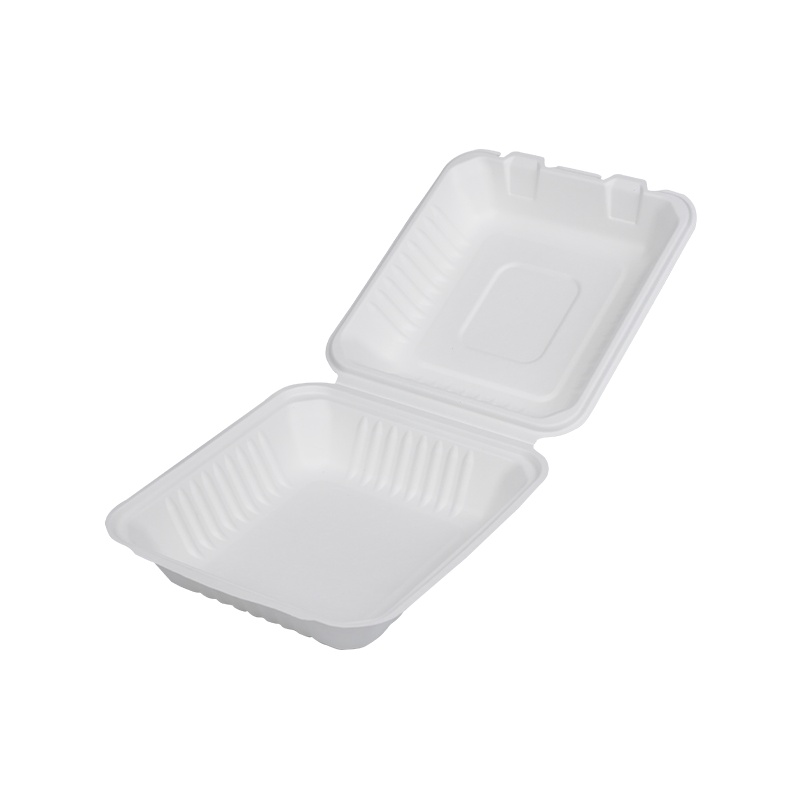
The Silent Ambassador of Your Culinary Brand
In the fast-paced world of modern food service and delivery, a burger is rarely just a meal—it is an experience that your customers look forward to all day. However, the journey from a hot kitchen to a dining table or office desk is fraught with logistical hazards: steam condensation, sauce leakage, and structural collapse. Industry experience shows that a major portion of customer complaints regarding takeout food stems from poor packaging rather than the food itself. This makes the disposable burger box a critical frontline asset for any restaurant brand. Choosing a high-performing container is no longer merely a basic packaging decision; it is a profound commitment to food safety, brand reputation, and environmental responsibility. Furthermore, in an era where digital food delivery platforms dominate consumer choices, the unboxing moment serves as a physical touchpoint that either reinforces or damages consumer trust. Restaurant managers must recognize that the integrity of their signature burger relies entirely on how well the exterior casing performs under pressure. Without a reliable box, the delicate balance of toasted buns, juicy patties, and crisp vegetables deteriorates rapidly, leading to lost revenue and tarnished online reviews.
Engineering Heat Retention and Moisture Control
A premium disposable burger box must master the delicate balance between thermal insulation and breathability. Scientifically, hot burgers release steam that, if trapped, degrades the crispness of the bun and lettuce, turning a gourmet meal into a soggy disappointment. Advanced manufacturing utilizes natural plant fibers like bagasse—derived from sugarcane—to create micro-porous structures that naturally regulate moisture while locking in heat. According to food packaging science experts, biodegradable bagasse containers maintain optimal interior temperatures during transit without causing excessive condensation. Furthermore, structurally sound locking mechanisms and grease-resistant coatings prevent sauce seepage, ensuring the burger remains structurally intact upon arrival. The engineering behind these containers involves careful thermodynamic design, ensuring that grease and moisture do not compromise the rigid walls of the box. By implementing advanced molding technologies, manufacturers can create interlocking closures that snap securely into place, resisting accidental opening during rough motorcycle or bicycle deliveries across congested urban thoroughfares.
Driving Customer Retention and Brand Loyalty
From a business perspective, packaging is one of the most cost-effective marketing mediums available. When a customer receives a sturdy, aesthetically pleasing, and eco-friendly disposable burger box, it signals a high standard of quality and hygiene before they even take their first bite. In competitive urban markets, unboxing experiences heavily influence repeat orders and social media shares. Restaurants transitioning from flimsy plastic or low-grade foam to premium, rigid plant-fiber boxes often report a measurable increase in customer satisfaction scores and higher customer lifetime value. By investing in superior packaging, food service operators protect their food margins against damage claims while simultaneously elevating their brand equity in an eco-conscious marketplace. Additionally, custom branding options such as embossed logos or tailored structural dimensions allow independent eateries and fast-casual chains to differentiate themselves from competitors, transforming a generic takeaway container into a powerful, tactile billboard that drives long-term consumer loyalty.
Navigating Global Regulatory Shifts and Sustainability
Global consumer preferences and governmental regulations have fundamentally shifted away from single-use plastics. Regulatory bodies across Europe, North America, and beyond have implemented stringent bans or taxes on traditional petrochemical packaging, penalizing non-compliant businesses heavily. For commercial buyers, utilizing certified eco-friendly containers—such as those backed by compostability and food contact safety standards—is essential for legal compliance and risk mitigation. Modern consumers, particularly younger generations, actively scrutinize the environmental footprint of their takeout choices, often boycotting brands that rely on polluting materials. Adopting sustainably sourced disposable options eliminates greenwashing risks, offering total supply chain transparency and aligning corporate values with planetary health. Transitioning to compostable bagasse packaging also significantly reduces a restaurant's corporate carbon footprint, satisfying rigorous environmental investor criteria while securing a favorable public image in an increasingly environmentally vigilant global society.
Scalable Quality and Global Supply Chain Excellence
Securing a consistent supply of high-grade food packaging requires more than just a transactional vendor; it demands a manufacturing partner with robust global credentials and massive production capacity. Industry leaders like GREAT SHENGDA exemplify this standard through decades of paper and eco-packaging manufacturing expertise. Operating state-of-the-art production facilities close to major international ports, GREAT SHENGDA supplies world-class food service brands across the United States, Europe, Australia, and beyond. Holding rigorous international certifications—including quality management, environmental, and food safety audits—GREAT SHENGDA delivers comprehensive customization and reliable supply chain capabilities. Whether a growing restaurant chain requires custom embossing, tailored sizing, or high-volume scalability, partnering with an experienced manufacturing powerhouse like GREAT SHENGDA ensures that the supply chain remains a reliable pillar of business growth, guaranteeing that every disposable burger box meets the highest international export standards.