
 EN
EN
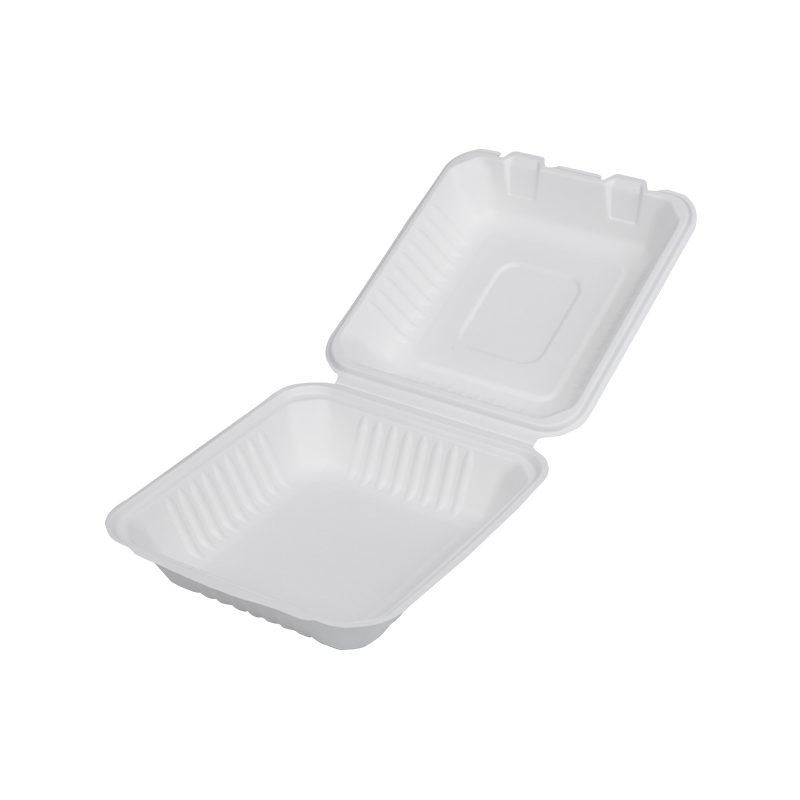
Evaluating the Critical Demands of Takeout Burger Packaging
Across the fast-paced global food service and delivery landscape, ensuring that a hot, juicy burger arrives at a customer's doorstep in pristine condition remains a daily operational hurdle. Industry professionals closely observe how improper packaging often ruins a carefully crafted culinary creation by causing steam condensation, soggy buns, or crushed structural layouts. Choosing the right container is no longer a minor detail because it directly dictates food presentation, temperature retention, and overall customer satisfaction. When culinary brands evaluate their options, a vital question emerges regarding how to select a superior disposable burger box. Achieving the ideal balance between structural resilience, moisture management, and ecological responsibility requires diving deep into material science, precision engineering, and rigorous manufacturing standards to meet modern consumer expectations in competitive international markets.
Material Engineering and Structural Integrity
The foundation of any exceptional takeaway container lies in its underlying material composition and structural architecture. Premium options for a disposable burger box are typically manufactured from rapidly renewable agricultural fibers, such as bagasse derived from sugarcane processing or dense virgin paper pulp. From an advanced engineering standpoint, these natural fibers undergo precision thermal molding to create a robust, resilient matrix capable of withstanding heavy stacking loads and pressure during transit. Unlike flimsy traditional paper cartons that easily buckle or deform under heavy weight, a well-engineered box maintains its rigid geometric form. This superior structural integrity ensures that gourmet burgers loaded with thick patties, melted cheese, and heavy toppings remain securely intact and visually appealing from the kitchen to the dining table across diverse operational environments.
Moisture Control and Advanced Barrier Technology
Managing internal steam and grease represents one of the trickiest technical hurdles in modern burger packaging design. When hot, freshly grilled burgers are sealed inside a container, the resulting condensation can quickly transform a crispy bun into a soggy disappointment. High-performance containers solve this dilemma through clever ventilation designs paired with natural, chemical-free barrier technology. Leading manufacturers utilize precision engineering to provide natural water and grease resistance without relying on harmful synthetic coatings like PFAS. This specialized balance allows excess steam to escape while trapping internal oils and juices, keeping the bun wonderfully textured and the outer packaging completely clean and leak-free throughout the delivery journey, thereby protecting both food quality and brand reputation.
Environmental Lifecycle and Sustainability Compliance
In today's eco-conscious global marketplace, the environmental lifecycle of single-use food packaging serves as a critical decision-making factor for both consumers and regulatory bodies. Modern eco-friendly options for a disposable burger box are specifically engineered for a circular economy, transitioning seamlessly from plant origin back to organic soil through industrial or home composting facilities. Comprehensive life cycle assessments consistently demonstrate that molded plant fiber and paper containers generate significantly lower greenhouse gas emissions and consume far less fossil energy compared to traditional petrochemical plastic manufacturing. Furthermore, proactive compliance with international anti-plastic legislation ensures that food businesses avoid regulatory penalties while actively reducing municipal landfill accumulation, aligning perfectly with zero-waste dining expectations.
Commercial Value and Brand Enhancement for Food Enterprises
Investing in top-tier packaging delivers profound commercial benefits that extend far beyond basic functional utility. Modern diners, particularly younger generations who prioritize corporate social responsibility, frequently judge a restaurant's overall quality based on its packaging presentation and environmental ethics. Premium containers featuring clean aesthetics, tactile natural textures, and custom-embossed logos instantly elevate takeout presentation, transforming an everyday meal into an upscale dining experience at home. Additionally, custom branding capabilities allow food businesses to turn everyday food service into a powerful mobile marketing tool. This seamless integration of functional performance and visual appeal drives customer retention, boosts brand loyalty, and enhances market differentiation in fiercely competitive culinary sectors.
Manufacturing Excellence and Supply Chain Partnership
Unlocking the full potential of high-performance packaging requires partnering with a dedicated manufacturer equipped with state-of-the-art facilities, technical mastery, and a resilient global supply chain. GREAT SHENGDA excels in delivering world-class disposable burger box solutions tailored to meet the rigorous demands of international markets. Leveraging advanced molding equipment, strict multi-stage quality control protocols, and an agile distribution network, GREAT SHENGDA ensures consistent product quality, structural reliability, and scalable production volumes for businesses worldwide. Whether an enterprise requires customized geometric dimensions, specialized branding features, or reliable high-volume seasonal delivery, GREAT SHENGDA provides the manufacturing excellence necessary to lead the sustainable packaging transition with absolute confidence.
Future Outlook for Sustainable Burger Packaging Innovations
Looking forward, the ongoing evolution of sustainable food packaging continues to be driven by relentless technological innovation and shifting consumer preferences. As environmental regulations become increasingly stringent across global territories, businesses that proactively adopt high-quality, renewable solutions secure a definitive competitive advantage. Investing in advanced fiber molding technologies and establishing reliable manufacturing partnerships ensures long-term operational resilience and brand prestige. By continuously refining product design and material science, industry leaders continue to redefine the standards of excellence for modern disposable burger boxes, ensuring a harmonious balance between commercial success and global ecological preservation.
Table of Contents
- Evaluating the Critical Demands of Takeout Burger Packaging
- Material Engineering and Structural Integrity
- Moisture Control and Advanced Barrier Technology
- Environmental Lifecycle and Sustainability Compliance
- Commercial Value and Brand Enhancement for Food Enterprises
- Manufacturing Excellence and Supply Chain Partnership
- Future Outlook for Sustainable Burger Packaging Innovations