
 EN
EN
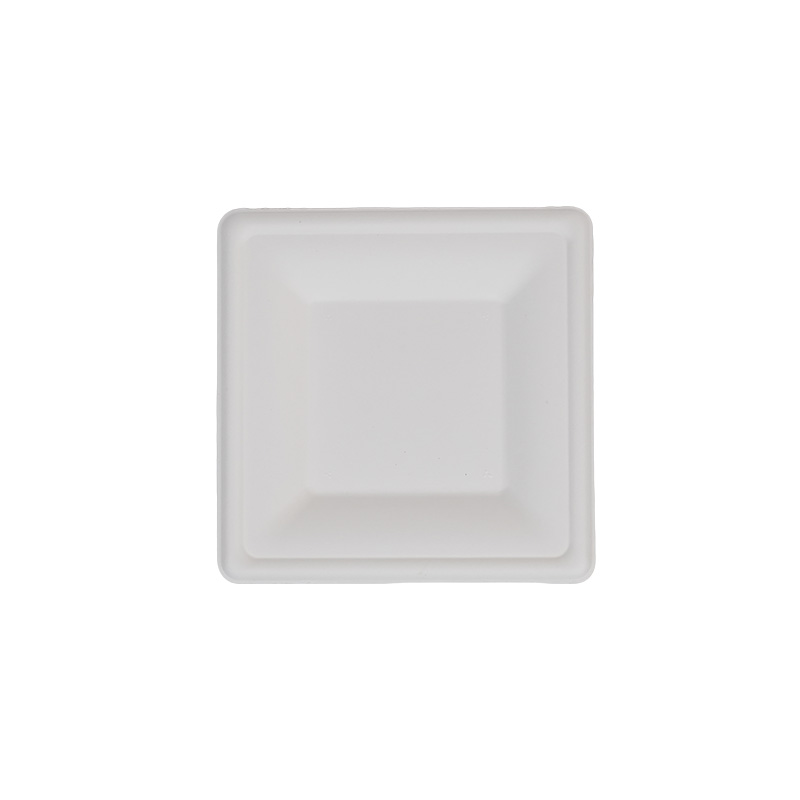
Navigating the Modern Takeout Dilemma
In the fast-paced landscape of contemporary food service, restaurant delivery is no longer just an auxiliary revenue stream—it is a core pillar of business survival and growth. However, transitioning a chef’s culinary creation from a kitchen pass to a customer's dining table introduces severe logistical challenges. Industry experience indicates that a significant percentage of negative customer reviews stem not from the food's taste, but from packaging failures like crushed containers, sauce leaks, or soggy meals. This makes selecting the right disposable lunch box one of the most critical decisions a restaurant manager can make. Choosing a high-performance container is far more than a basic operational expense; it is a vital frontline strategy to protect food safety, preserve brand reputation, and ensure customer loyalty in an intensely competitive marketplace. Furthermore, in an era where digital food delivery applications dictate consumer habits, the physical unboxing moment acts as an essential bridge that either solidifies or shatters consumer trust. Restaurant operators must realize that the structural integrity of a meal relies heavily on how well the exterior disposable container performs under rigorous delivery conditions. Without a dependable box, the delicate balance of complex ingredients deteriorates rapidly, culminating in lost revenues, refund requests, and damaging online feedback.
Engineering Heat Retention and Leak Proofing
A premium disposable lunch box must master the complex physics of thermal insulation and moisture control. Scientifically, hot, freshly prepared meals release steam that, if trapped incorrectly, breaks down the texture of grains, proteins, and vegetables, turning a gourmet meal into a disappointing mess. Modern packaging science leverages natural plant fibers—such as bagasse derived from sugarcane—to engineer micro-porous structures that naturally regulate internal humidity while sealing in essential heat. According to food packaging experts, high-grade biodegradable containers maintain optimal food temperatures during transit without creating excessive condensation. Furthermore, precision-molded locking mechanisms and natural grease-resistant barriers prevent sauce seepage, ensuring that meals remain structurally sound and visually appealing from the moment they leave the kitchen to the final delivery drop-off. The intensive engineering behind these advanced containers involves sophisticated thermodynamic modeling to ensure that structural walls maintain their rigidity even when exposed to high heat and heavy oil contents over extended transit times.
Elevating Customer Experience and Brand Value
From a commercial perspective, packaging acts as the ultimate tactile marketing medium. When a customer receives a sturdy, clean, and aesthetically pleasing disposable lunch box, it communicates an immediate message of hygiene, quality, and care before they even open the lid. In urban food markets heavily driven by digital apps and social media, the unboxing moment heavily influences repeat orders and online ratings. Restaurants that upgrade from flimsy plastics or low-grade foam to rigid, premium plant-fiber containers regularly report measurable boosts in customer satisfaction and brand equity. Additionally, tailored structural designs and custom branding options allow independent eateries and expanding chains alike to transform a utilitarian container into a powerful extension of their visual identity, driving long-term consumer retention. Investing in superior packaging solutions effectively acts as a protective shield for a restaurant's profit margins, mitigating costly complaints while establishing an upscale brand image that commands customer loyalty in crowded metropolitan food sectors.
Meeting Global Regulatory Shifts and Sustainability
Global consumer preferences and governmental policies have undergone a massive shift away from conventional single-use plastics. Regulatory bodies across North America, Europe, and global markets have enacted strict bans and levies on traditional petrochemical packaging, heavily penalizing non-compliant food operators. For commercial buyers, sourcing certified eco-friendly containers—backed by reputable compostability and food contact safety standards—is essential for legal risk mitigation. Modern consumers, particularly younger demographics, actively scrutinize the environmental footprint of their takeout habits and favor brands committed to real sustainability. Utilizing responsibly sourced disposable options effectively eliminates greenwashing risks, offering supply chain transparency while satisfying rigorous environmental, social, and governance expectations. Transitioning away from polluting materials into compostable alternatives allows restaurant enterprises to reduce their corporate carbon footprint substantially, aligning commercial success with global planetary health initiatives.
Partnering for Scalable Quality and Supply Chain Excellence
Securing a steady, high-grade inventory of food packaging demands more than a transactional vendor; it requires a manufacturing partner with proven global credentials and massive production scalability. Industry leaders like GREAT SHENGDA exemplify this gold standard through decades of paper and eco-packaging manufacturing expertise. Operating advanced production facilities strategically positioned near major international ports, GREAT SHENGDA supplies world-class food service brands across the United States, Europe, Australia, and beyond. Holding rigorous international certifications—including top-tier quality management, environmental, and food safety audits—GREAT SHENGDA delivers comprehensive customization and dependable supply chain capabilities. Whether a growing restaurant group requires custom embossing, specialized dimensions, or high-volume delivery, partnering with an established manufacturing powerhouse like GREAT SHENGDA ensures that your packaging remains a steadfast driver of business success, guaranteeing that every single disposable lunch box fulfills the most demanding export quality standards.